All Episodes

Displaying 21 - 40 of 132 in total

#112

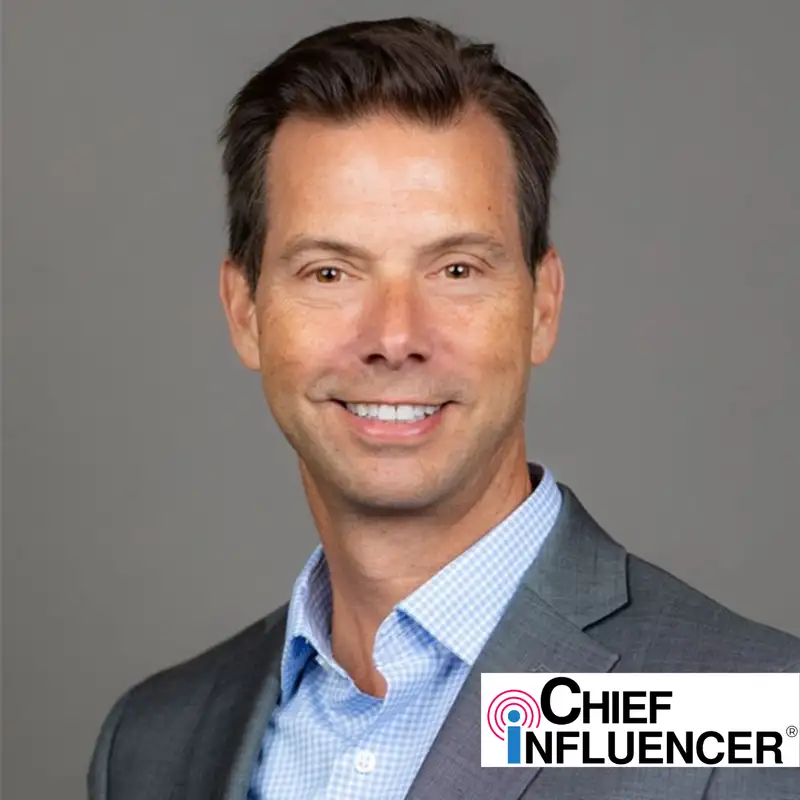
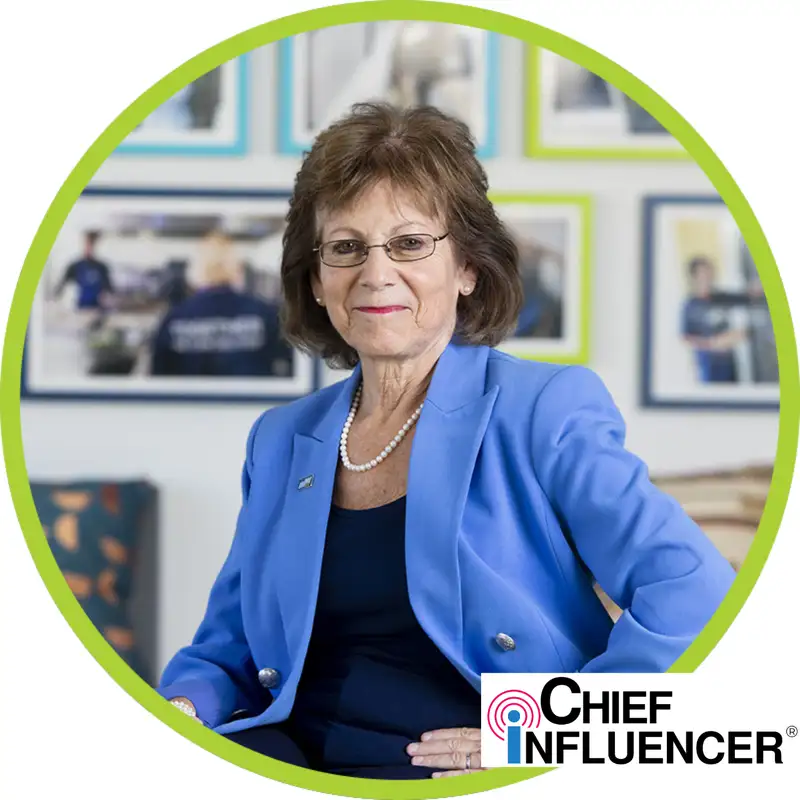
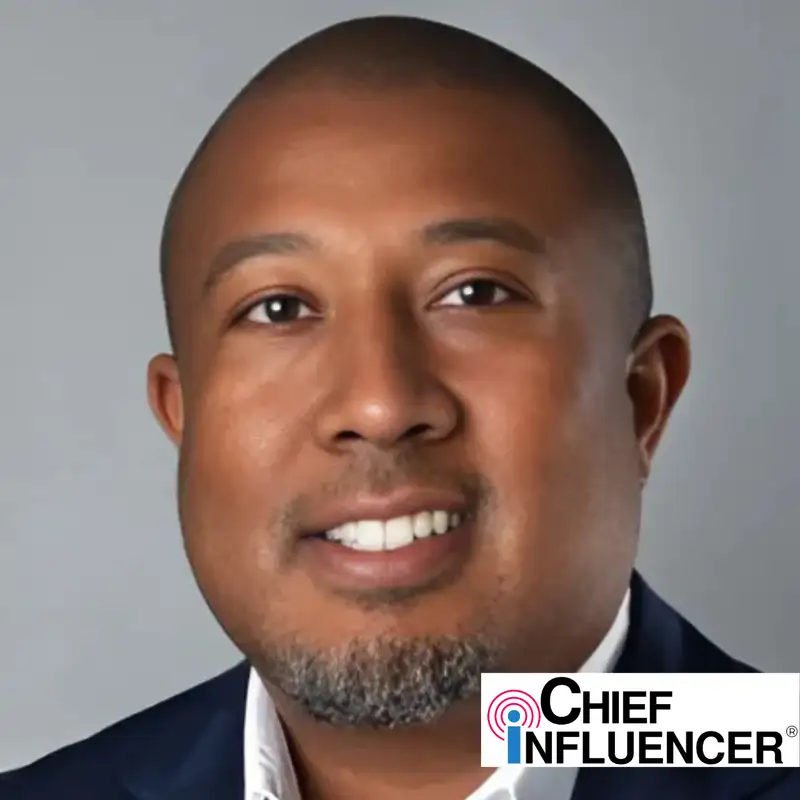
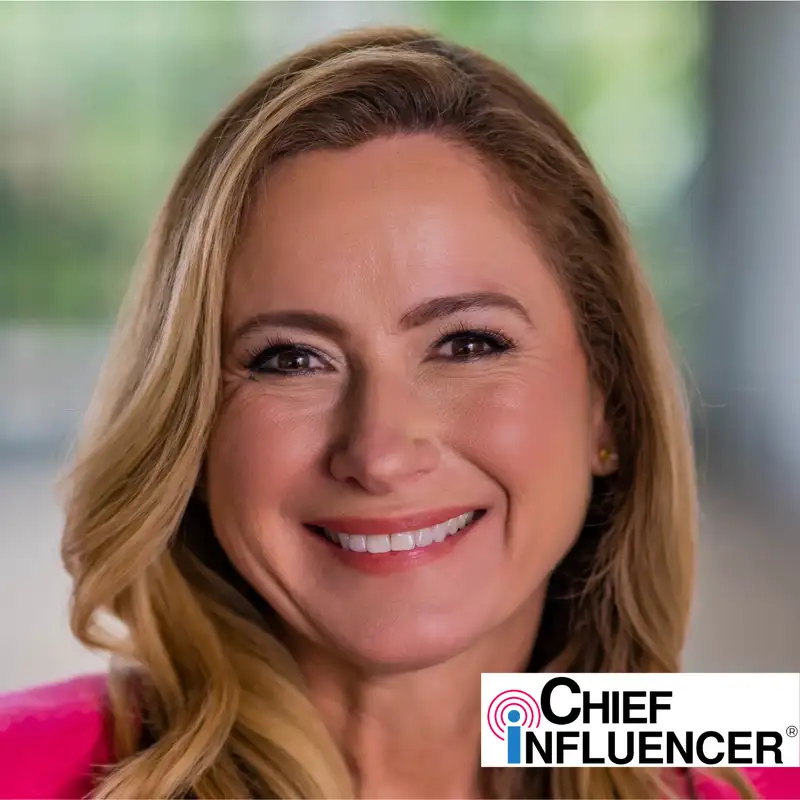
Skimmers, Swimmers & Divers: How to Reach All Americans with Jan Neuharth

What does it take to protect freedom of expression in a time when Americans are more divided than ever? Jan Neuharth is the Chair and CEO of the Freedom Forum, a nonpartisan nonprofit dedicated to fostering First Amendment freedoms for all. She shares the story of how she led the organization through a bold transformation—from operating a museum on Pennsylvania Avenue to becoming a mission-driven force for digital education, public programs, and national impact. From honoring young journalists and comedians at the Free Expression Awards to empowering students with their First Amendment rights through campus outreach and storytelling, Jan reflects on how the Freedom Forum connects with Americans across generational and ideological divides.She also shares leadership lessons on influence, including the importance of listening, trust, and process in navigating change. Tune in to hear how Jan’s diverse career—from Capitol Hill to corporate law to novel writing—has shaped her authentic leadership style and deep commitment to civic engagement and free expression.Takeaways:Lead with Listening: Influence starts by understanding your audience. Whether you're guiding organizational change or connecting with the public, listening first builds trust and informs better decisions.Preserve the Best, Improve the Rest: This philosophy, inherited from Jan’s father Al Neuharth, is a powerful framework for innovation. Regularly assess what’s working and have the courage to evolve—even beloved institutions like museums.Make the Mission Personal: Humanize big ideas like the First Amendment by tying them to everyday experiences—books, fashion, music, sports fandom. Personal relevance drives engagement.Adapt Messaging for Different Levels of Engagement: Think in tiers: skimmers, swimmers, and divers. Tailor your content to meet people where they are—whether they want a quick TikTok or a deep-dive article.Invest in the Next Generation: Empowering young people with knowledge of their rights, as the Freedom Forum does through its Free Spirit program and campus initiatives, ensures the future of civic engagement and journalism.Stand Firm on Principles, Not Partisanship: Uphold core values like free expression consistently, even when the subject matter is controversial. Integrity and viewpoint neutrality build long-term credibility.Turn Disruption Into Opportunity: When COVID hit just after the museum closed, the Freedom Forum used the moment to go digital-first. Challenges can be catalysts for reinvention if approached with strategic clarity.Quote of the Show:“You don't change the story for every person. You tell it in a different way, but you're still rooted in the same principles.”Links:LinkedIn: https://www.linkedin.com/in/janneuharth/ Website: https://www.freedomforum.org/ 
#111

Allan Golston On the Reciprocal Nature of Influence and Trust - Chief Influencer - (Re-Air)

Allan Golston is the President of the United States Program at The Gates Foundation. The foundation is dedicated to advancing educational opportunities and ensuring equitable academic and economic outcomes for all students, particularly those from low-income backgrounds and students of color. Allan's unique leadership approach hinges on the power of influence through reciprocity, authenticity, and storytelling. In today's episode, Allan delves into his career journey from public accounting to philanthropy, the importance of building trusted partnerships, the evolution of leadership styles, and leveraging digital platforms like LinkedIn for reciprocal influence. Stay tuned to gain valuable insights on balancing data-driven decision-making with personal storytelling to drive impactful change and the importance of creating authentic connections in both personal and professional spheres.Takeaways:Treat leadership as a continuous practice, not a destination, and continuously strive for self-improvement. Allan Golston emphasizes that leadership is an ongoing process. He makes it a point to learn and grow each day, preparing to be even better the next day. This practice of self-reflection and ongoing improvement can help leaders stay dynamic, relevant, and effective.Be authentic in your leadership and influence based on genuine interactions rather than projecting a persona. Early in his career, Golston found that employers expected employees to project a certain persona or dress a certain way as part of instilling confidence in clients. However, as his career evolved, he realized that authenticity became crucial for effective leadership as his responsibilities grew. Leaders should focus on genuine connections and interactions, which build trust and authenticity.Embrace a two-way influence model. Listen and be open to being influenced while also trying to influence others. This influence needs to be reciprocal. Authentic listening and a willingness to be influenced are as important as trying to guide or direct others. This approach builds mutual respect and understanding.To drive meaningful impact, deeply understand your audience. This is crucial for making informed and impactful decisions. Leaders must invest time learning about their internal and external teams and stakeholders and broader audiences to tailor their actions and communications effectively.Aim to ensure equitable outcomes in your leadership practice and organizational goals. Leaders should prioritize creating inclusive environments and opportunities that benefit all, especially the underrepresented or marginalized groups.Openly share your personal stories and learn from the stories of others. This practice fosters a deeper connection and understanding within the team, helping to build a cohesive and empathetic workplace culture.Start interactions with personal concerns and show genuine interest in your team’s well-being. Instead of diving straight into work-related discussions, begin with personal conversations. Asking about someone's well-being or family circumstances shows empathy and builds a culture of care and support.Quote of the Show:“I fundamentally believe that influence has two key dimensions. Number one is that it has to be reciprocal. You have to be open to being influenced as much as you are trying to influence. The second is that you have to know when it’s best to influence directly or empower others to influence and carry the critical messages.” - Allan GolstonLinks:LinkedIn: https://www.linkedin.com/in/allan-golston Bill & Melinda Gates Foundation (Website): https://usprogram.gatesfoundation.org/Shout Outs:Stryker: https://www.stryker.com Harley-Davidson: https://www.harley-davidson.com Aspen Institute - The Henry Crown Fellowship Program: https://www.aspeninstitute.org/programs/henry-crown-fellowship The Robert Wood Johnson Foundation: https://www.rwjf.org The William Jewell College: https://www.jewell.edu John Lewis: https://www.britannica.com/biography/John-Lewis-American-civil-rights-leader-and-politician 
#110

Check Your Title at the Door: Rethinking Influence in Philanthropy | Tiffany Benjamin

Tiffany Benjamin, CEO of the Humana Foundation, founding partner of Face The Fight, and one of TIME's 100 most influential philanthropists, shares her unexpected journey from Harvard Law School to leading a major philanthropic foundation — a path shaped by lived experience, deep listening, and a passion for community.We explore how early moments, like volunteering with seniors as a youth, continue to influence her approach to leadership and social impact. Tiffany reflects on what it means to leave your title at the door, the surprising power of sitting in the back of the room, and how true influence is rooted in curiosity and co-creation.From building intergenerational programs to reshaping how we serve communities, Tiffany’s insights are both personal and profoundly actionable. Whether you're a leader, changemaker, or simply curious about what it means to make a difference, this episode is for you.Takeaways:Shaping Health Equity: Tiffany is pioneering health equity by mobilizing funding, partnerships, and research aimed at tackling the root causes of poor health. This includes a holistic approach to nutrition, emotional well-being, disaster recovery, and resource deployment.Value of Curiosity: Tiffany’s journey highlights the importance of curiosity. Her career path shifted dramatically because she was curious about the foundation work at Eli Lilly. Curiosity can open new career opportunities and lead to fulfilling roles that align with your passion and values.Community Listening: The Humana Foundation emphasizes community listening. By creating a Senior Council of high school seniors and senior citizens, the foundation ensures their work is community-centered and relevant to the people they serve. Consider forming advisory groups with diverse perspectives to guide your projects.Empathy as Influence: Empathy is a powerful form of influence. Tiffany suggests that listening to people’s challenges and really understanding their needs can drive meaningful change. Practice active listening and strive to connect with others on a deeper level to be a more effective leader.Accessibility in Processes: The open application process at the Humana Foundation is designed for transparency and respect for non-profits' time. It includes a short-form application and clear communication about acceptance or rejection. Make your processes transparent and provide clear feedback to foster trust and efficiency.Leave the Title at the Door:*Tiffany emphasizes the importance of humility and accessibility. By choosing to sit in the back of the room rather than the reserved front seat, she connects with people on a more personal level. Engage with people where they are, leave your title at the door, and be approachable.Use Digital Presence Authentically: Tiffany is hands-on with her LinkedIn presence to share her work and insights regularly. She combines personal elements (like her love for hats) with professional updates to maintain authenticity. Use social media platforms to share your story and mission, and be transparent and consistent in your communication.Quote of the Show:“I think you have to find spaces where you can leave your title at the door and be accessible to others. Personally, I have an aversion to sitting in the front row—I’d rather be alongside the people who are most impacted and who are driving real change. I believe you should always seek out those who know more than you, especially when it comes to the challenges and opportunities ahead.” Links:LinkedIn: https://www.linkedin.com/in/tiffany-benjamin-0127893/ Website: https://www.humana.com/ 
#109

The Digital First Approach: Frederique Irwin on Reimagining Women's Historical Narratives

Frederique Irwin, President and CEO of the National Women’s History Museum, discusses her transformative vision for the museum to become a dynamic, digital-first institution reaching audiences nationwide. She reflects on her diverse career, starting from founding 'herCorner' to leading impactful initiatives at the Sorenson Impact Center. Fred highlights the significance of empowering women and her unexpected yet strategic move into nonprofit leadership. The conversation also covers the museum's advocacy for the Smithsonian’s New Women's History Museum on the National Mall, their digital-first strategy, and the campaign 'She’s Not a Footnote and Neither Are You.' The interview underscores the importance of storytelling, authenticity, and adapting to market needs as vital components of influence.Takeaways:Simplify Your Message: As Frederique shared, her mother taught her to make complex stories accessible. Translate complex information into simple, relatable terms that your audience can easily understand and engage with.Embrace a Digital-First Approach: The National Women's History Museum has successfully adopted a digital-first strategy, making their content accessible online. This is critical for reaching a broad audience, especially in today's digital age.Test and Iterate: Before committing to a complete overhaul (like a new website), test smaller initiatives to see how your audience responds. Frederique emphasized the importance of trying out different ideas and gradually amplifying what works.Focus on Authentic Storytelling: Authenticity is key. Frederique’s strategy involves consistent storytelling centered around women’s achievements. Real stories resonate more with audiences compared to generic, heavily messaged content.Know Your Audience: Identify and prioritize your primary audience to maximize impact. For the National Women’s History Museum, the focus is on educators and students, both inside and outside the classroom.Use Contemporary Campaigns: The 'She’s Not a Footnote' campaign highlights the importance of making historical content relevant and engaging today. Find creative and modern ways to package and present your content to maintain relevance.Listen to the Market: Pay attention to your audience’s feedback and be willing to adapt your strategies based on market responses. This iterative approach is fundamental in entrepreneurship and critical in ensuring your efforts align with audience needs.Quote of the Show:"I stay aligned with what feels genuine, keeping my message focused on women and making sure that comes through clearly on LinkedIn and social media."Links:LinkedIn: https://www.linkedin.com/in/frederiquecirwin/ Website: https://www.womenshistory.org/ 
#108

Empowering Members to Lead in Their Communities | Matt Haller

Matt Haller, President and CEO of the International Franchise Association, shares his thoughtful and consistent approach to member engagement, both within his team and across his organization’s national network. From recognizing the power of elevating member voices through authentic storytelling, Matt shares how he positions people as the most valuable influencers.Takeaways:Hire a Great Team and Empower Them: As a leader, it's important to hire a talented team and then give them the space to excel. Provide guidance but avoid micromanaging to foster creativity and independence within the team.Always Follow Up: Responsiveness and consistent follow-up are crucial, especially in a service-oriented organization. This promotes reliability and trust both internally with your team and externally with clients or members.Build a Unified Team: Ensure that everyone on your team understands the common goal. Different skills and styles are valuable, but alignment on what the organization is trying to achieve is essential for collective success.Make Clear and Direct Requests: When engaging with stakeholders, whether in advocacy or business, make sure to establish a connection and clearly articulate your ask. This enhances the effectiveness of your communication efforts.Use Challenges as Motivators: Leverage crises or significant policy issues as opportunities to galvanize your team and membership. This can help highlight the importance of engagement and shared goals.Tell Your Story: Authentic storytelling from members or stakeholders is highly effective. Personal stories resonate more and help build trust and influence in various audiences.Embrace Change and Innovation: Trade associations and organizations should be forward-thinking about utilizing technology and data. Embrace change and continuously look for ways to innovate and grow, whether through strategic acquisitions or other means.Quote of the Show:“We have 800,000 of them in franchising...small businesses are the most trusted institutions in America.”Links:LinkedIn: https://www.linkedin.com/in/matthewhaller/ Website: https://www.franchise.org/ 
#107

Rob Sand on Communication & Transparency in Government (Re-Air)

Rob Sand is the 33rd State Auditor of Iowa, known for his commitment to transparency, accessibility, and accountability in government. Elected in 2018, Sand previously served as Iowa’s Chief Public Corruption Prosecutor, where he led the investigation into the largest lottery rigging scheme in American history.He emphasizes the importance of being accessible to constituents through initiatives like Transparency Tuesdays, a weekly Facebook Live series where he directly engages with the public. Sand’s approach challenges traditional political norms by promoting openness and demystifying government processes.In this conversation, he also reflects on his career journey, discusses his book The Winning Ticket, and underscores the importance of clear communication and public trust in governance. At the core of his philosophy is a belief in working with anyone to do good and upholding integrity in public service.Takeaways:Constituent Influence Challenges: As an elected official, Rob must influence everyday people to create meaningful impact. This is increasingly difficult due to rising partisanship and the weakening of traditional political coalitions.Government Transparency Education: Rob provides an open look into how state government works. He educates the public about his role as state auditor and broader government functions.Statewide In-Person Engagement: Rob connects with Iowans by visiting all 100 county seats. These face-to-face conversations build trust and allow him to hear concerns directly.Direct Social Media Use: Rob actively manages his own social media accounts. This personal touch enhances authenticity and keeps constituents informed and engaged.Weekly Facebook Live Updates: Every Tuesday evening, Rob hosts “Transparency Tuesdays” on Facebook Live. He highlights his recent work and answers questions from viewers.Authentic Public Presence: Unlike many public figures who fear live interactions, Rob embraces them. His unfiltered approach resonates with people who value honesty and accessibility.Breaking Down Barriers: Rob uses social media to bridge the gap between government and citizens. This invites Iowans into meaningful dialogue and helps build community.Sharing Innovative Practices: Rob identifies effective practices from across counties and shares them statewide. He values practical solutions over partisanship, ensuring good ideas reach everyone.Quote of the Show:“It's important for people to have a sense of the ability to reach their government, to reach levers of whatever degree of power and to actually have an interaction there”Links:Twitter: https://twitter.com/RobSandIA  Instagram: https://www.instagram.com/robsandia/  Facebook: https://www.facebook.com/robsandia/ LinkedIn: https://www.linkedin.com/in/robsand1/  Website: https://robsand.com/  The Winning Ticket: https://a.co/d/c9xQN6w 
#106

Special Episode: Mayor Bowser - CitiesSpeak (Partnership)

We are thrilled to present a special co-promotion episode, bringing you a fantastic discussion from the CitiesSpeak podcast, produced by the National League of Cities! Join CitiesSpeak host Clarence Anthony, CEO of the National League of Cities, for an insightful conversation with Washington, D.C. Mayor Muriel Bowser. Mayor Bowser shares her compelling journey into public service, her motivations for leading her hometown, and the unique aspects of governing a district that operates as a city, county, and state. Discover the strategies that have fueled D.C.'s impressive growth, its achievement of an AAA bond rating, and its recognition as one of the nation's fastest-growing districts. The dialogue dives deep into the critical issue of housing, exploring D.C.'s ambitious goals for increasing housing supply, the paramount importance of affordability, and the essential role of public-private partnerships and federal support in creating livable cities for everyone.Takeaways:Recognize the Importance of Local Leadership: Understand that effective leadership often starts at the local level. Mayor Bowser's journey from an advisory neighborhood commissioner to mayor highlights the impact one can have by focusing on community improvement from the ground up.   Advocate for and Support Affordable Housing Initiatives: Realize that housing affordability is a critical issue for community growth and stability. Support policies and initiatives that aim to increase housing supply across the entire spectrum, from publicly provided to market-rate housing.   Foster Public-Private Partnerships for Community Development: Effective community development, especially in housing, often requires collaboration between the public and private sectors. Encourage and support partnerships where the government can signal reliability and help fund gaps to attract private investment for essential projects.   Understand the Federal Government's Role in Local Issues: Be aware of how federal policies and funding (e.g., for public housing, housing vouchers, infrastructure materials) impact local communities and advocate for federal actions that support local needs, such as ensuring affordable materials for housing construction.   View Homeownership as a Path to Wealth Creation: Recognize the significance of homeownership as a primary means for many individuals and families to build wealth and achieve the American dream. Support programs that assist potential homeowners with down payments and credit repair.   Engage in and Value Your Local Community: Take the time to know and appreciate your own city or town beyond its main attractions or stereotypes. Understanding the unique character of local neighborhoods contributes to a stronger sense of community and civic pride.   Champion Sound Fiscal Management in Governance: Support and expect responsible financial stewardship from your local government, including balanced budgets and strategic investments that allow cities to grow and provide essential services like public safety, schools, and parks.  Quote of the Show:“I lead from my values, and my values tell me that people should have access to safe and affordable housing. And there’s a spectrum – all the way from publicly provided housing to market rate housing – and we need to make sure that there are policies in place to encourage production along the whole spectrum.”Links:LinkedIn: https://www.linkedin.com/in/mayorbowser/ Website: https://mayor.dc.gov/ 
#105

Patrick J. Kennedy on The Unifying Power of Mental Health - Chief Influencer - (Re-Air)

The Honorable Patrick J. Kennedy is a leading advocate for mental health and addiction. As a former Congressman, Patrick was instrumental in passing the Mental Health Parity and Addiction Equity Act of 2008 and has spent years fighting for policy change. After leaving Congress, he founded The Kennedy Forum and co-founded One Mind to advance brain health.In this episode, Patrick delves into the challenges and stigmas faced by those struggling with mental health and substance use disorders and the impactful decision to share his own story in his book, A Common Struggle: A Personal Journey Through the Past and Future of Mental Illness and Addiction; and the courageous stories of others in his more recent book, Profiles in Mental Health Courage. Takeaways:Be authentic and vulnerable: Share your own story, including struggles and failures, to create genuine connections and inspire others. Authenticity can turn adverse events into strengths, as people appreciate honesty and are more likely to support you when they see you are genuine.Build coalitions: Diverse coalitions can drive impactful change. By bringing together different perspectives and points of view, you can create a broader consensus and develop policies or solutions that are more robust and widely accepted.Forge bipartisan support in times of polarization: Build bipartisan support by focusing on shared goals and values, using persistence and personal connections to bridge divides in polarized times.Connect with your audience through storytelling: Use stories and analogies to make complex issues more relatable and to motivate people to join your cause or mission. Tailored storytelling can rally support and drive collective action.Persist through adversity: Use challenges as learning experiences and opportunities to build resilience. Persistence, even in the face of setbacks, is key to achieving long-term goals and making a difference.Leverage personal experiences for advocacy: Use your story to highlight broader issues, fostering empathy and inspiring change.There is no health without mental health: Advocate for integrating mental health into healthcare, highlighting its connection to physical health and the need for community-based support to reduce costs and improve recovery.Quote of the Show:"We live in a polarized world, but the shared human experience of our mental health can unite us across all divides. These issues transcend the toxic reactivity between opposing sides."Links:LinkedIn: https://www.linkedin.com/in/patrick-j-kennedy-6821ba165/ Website: https://www.patrickjkennedy.net/ Books: “Profiles in Mental Health Courage”: https://a.co/d/0kFiw9G “A Common Struggle: A Personal Journey Through the Past and Future of Mental Illness and Addiction”:  https://a.co/d/2ObOEdP 
#104

Shawn Martin on Being a Relatable and Consistent Communicator - (Re-Air)

Shawn Martin is the Executive Vice President and CEO of the American Academy of Family Physicians (AAFP), a medical specialty organization representing 130,000 family physicians and medical students nationwide. In his role, Shawn provides strategic leadership to the AAFP and directs the mission-driven work of the nation's largest primary care organization. In this episode, Shawn shares his journey from being the son of a rural family physician to heading the AAFP, discusses the evolving role of leaders in the digital age, and explains his strategies for managing stakeholder dynamics and combating misinformation. Shawn also explains his innovative communication approaches, including using media ambassadors, and how he balances personal and professional branding on social media. Listen to gain insights into consistent and disciplined communication and the importance of being present and relevant as a leader in a digital world.Takeaways:Cultivate and train members within your organization to become media ambassadors. This strengthens your message through authentic, expert voices, enhancing brand presence and credibility.Establish a predictable communication rhythm with your team, board, and external stakeholders. This will build trust and ensure that your message is clear and cohesive across all channels.Leaders should engage in social media to authentically represent their brand and connect with their audience on a personal level.Promote and amplify expert voices within your field to position your organization as a reliable source of truth. This will counter misinformation and build public trust.Regular media training for your spokespeople can vastly improve their effectiveness in representing your brand accurately and positively in public forums.Whether it's celebrating new members or industry achievements, taking time to recognize and honor these moments fosters a positive organizational culture and strengthens community ties.Stay true to yourself and your organizational values while remaining relevant and engaged in the current discourse. This will humanize your brand and strengthen connections with your audience.Quote of the Show:“Leaders have to be relatable in the modern social media era. People want to know that you're not always scripted, and you're out there, you have opinions, and you're willing to engage in this public discourse that's taking place.” - Shawn MartinLinks:LinkedIn: https://www.linkedin.com/in/shawn-martin-a49b506 American Academy of Family Physicians (AAFP) - Website: https://www.aafp.org Shout Outs:Modern Healthcare: https://www.modernhealthcare.com The Hill: https://thehill.com Family Doctor: https://familydoctor.org JAMA Network: https://jamanetwork.com Adam Grant: https://adamgrant.net Kobe BryantJP Morgan: https://www.jpmorgan.com 
#103

Cyber Leaders on AI, Misinformation & Security's Next Chapter

This special compilation episode delves into the critical and ever-evolving world of cybersecurity. It features insights from cyber leaders, Craig Newmark, Founder of Craigslist, Camille Stewart Gloster, CEO and Principal at CAS Strategies LLC, Ambassador Jacques Pitteloud, and Renee DiResta, Author of “Invisible Rulers”. They all discuss navigating the complex intersection of technology, information, and security. Core topics include the significant impact of AI on society and relationships, the pervasive challenges of misinformation and disinformation, and the crucial role of education, from K-12 to workforce development, in combating these digital threats.    The discussion extends to the imperative for a collective mobilization to enhance cybersecurity and examines the ethical responsibilities inherent in developing and deploying powerful new technologies. Strategies for fostering empowerment amidst rapid technological change are explored, alongside a nuanced understanding of misinformation that goes beyond simplistic definitions. The episode underscores the importance of critical thinking and highlights the shared accountability of individuals, technology companies, and governments in constructing a more secure digital future.Takeaways:Get Educated and Engage with AI: Don't be intimidated by AI and new technologies. Take the time to learn about them, experiment with tools like chatbots (e.g., ChatGPT, Gemini), and understand how they can assist you. However, always remember AI is a tool, not a complete solution, and requires your critical input and oversight.    Be Vocal About Your Technology Needs: As a user, you have agency. Voice your needs and expectations to technology providers regarding the features, privacy, and ethical considerations of the products and services they offer.    Prioritize Critical Thinking and Source Verification: In an age of rampant misinformation, cultivate critical thinking skills. Don't take information at face value, especially online. Question sources, seek context, and wait for verified facts before forming conclusions or sharing. This is particularly important for younger generations.    Advocate for and Support Comprehensive Cybersecurity Education: Recognize that cybersecurity literacy is crucial from a young age (K-12) through workforce development and for the general public. Support initiatives that promote this education, like coding and cybersecurity programs in schools or merit badges.    Understand the Nuances of Misinformation: Recognize that "misinformation" is often more complex than simply false facts. It can involve unverified information, rumors, and narratives that spread rapidly and shape public opinion before the truth is known. Be aware of how these dynamics work.    Influencers and Content Creators Must Embrace Ethical Responsibility: If you have a platform or influence, recognize the power you wield. Be mindful of the authenticity and potential impact of your words, and strive to use your influence ethically and responsibly.    Individuals Have a Role in National Cybersecurity: Understand that individual actions contribute to broader cybersecurity. Take steps to protect yourself, your family, and your workplace online, as this collectively helps protect national infrastructure and security. Links:Camille Stewart GlosterLinkedIn: https://www.linkedin.com/in/camillestewartesq/ Website: https://www.cas-strategies.com/ Craig NewmarkLinkedIn: https://www.linkedin.com/in/craignewmark/ Website: https://craignewmarkphilanthropies.org/ Ambassador Jaques Pitteloud LinkedIn: https://www.linkedin.com/in/jacques-pitteloud-83621a10/ Website: https://www.eda.admin.ch/washington Reness DiResta: LinkedIn: https://www.linkedin.com/in/reneediresta/ Website: https://www.reneediresta.com/ 
#102

All Influence Is Local | Building Stronger Communities with Clarence E. Anthony

Is all influence truly local?Clarence Anthony, CEO of the National League of Cities and host of the City Speak podcast, discusses the importance of inclusive leadership, the lessons from his early mayoral career, and his strategies in navigating complex political landscapes. From inclusive leadership to the power of showing up, Clarence shares how meeting communities where they are—both literally and figuratively—has shaped his approach to leadership. We reflect on how trust is built block by block and why elevating local voices can lead to nationwide impact. Plus, a personal story about Clarence’s mom reminds us why leadership isn’t a solo act—it’s a community effort.Takeaways:Step Up and Be Part of the Solution: Rather than focusing on complaints, individuals are encouraged to take initiative and contribute to solutions within their communities. This means being proactive, finding ways to give back, and remaining resilient through challenges.Engage Stakeholders Early: Effective leadership begins with early stakeholder engagement. Involving key voices from the start helps reduce opposition, save time, and build broader collaboration and support for initiatives.All Politics Is Local: As the saying goes, “all politics is local.” Local government remains the most trusted level of governance, and leaders who focus on the direct needs of their communities can leverage that trust to drive meaningful change.Humanize Local Leaders: Sharing the personal motivations, challenges, and stories of local leaders helps foster stronger connections with the public. This approach breaks down negative stereotypes and builds empathy and understanding within the community.Highlight Positive Stories: Uplifting positive stories and successful community projects fosters a sense of optimism and shared progress. Celebrating these wins can inspire others and promote the replication of effective practices across communities.Leverage Technology for Transparency—But Stay Vigilant: Technology can be a powerful tool to increase transparency and engagement. However, it must be used responsibly. Leaders should embrace digital tools while remaining alert to potential misuse or the spread of misinformation.Equip Leaders with the Right Tools: Access to tools, resources, and support is essential for effective governance. Providing training, technical assistance, federal advocacy, and best practices enables local governments to serve their communities more effectively.Quote of the Show:"You have to focus on your own community first. I think most residents—no matter what’s happening in Washington, D.C.—tend to be most concerned about their local community. It's like looking at a map of your town: the first place your eyes go is your own street, your own home. That’s how our residents are, and surveys back that up. They show the most trusted level of government is the local level—the town and village level—because people see those leaders every day. There's trust in that closeness."Links:LinkedIn: https://www.linkedin.com/in/clarence-anthony-12010419/ Website: https://www.nlc.org/ Podcast: https://www.nlc.org/news-insights/citiesspeak-podcast/ 
#101

Supporting Our Troops: The Role of Childcare for Military Families | Francisco Jamison

Francisco Jamison, a leading expert on childcare and military families, is a passionate advocate dedicated to ensuring that those who serve our country have access to the support they need at home. With deep expertise in the complex infrastructure behind military childcare, Francisco sheds light on an issue that often goes unnoticed but is essential to the well-being of military families and the strength of our armed forces.This conversation is especially timely as April marks the Month of the Military Child, a time to recognize and honor military-connected children's resilience, strength, and sacrifices. Francisco’s insights offer a powerful reminder of the systems that support these young people — and why investing in them is critical to building a stronger future.One of the key themes Francisco explores is the power of influence in less visible spaces. He demonstrates how true leadership is rooted in respect and empathy by focusing on listening, adapting to people's needs, and honoring every individual — from top leadership to entry-level personnel. Through personal stories and lessons from military service, Francisco offers a compelling look at how influence can create meaningful, lasting change.Takeaways:Invest in Military Childcare: Focus on enhancing the infrastructure behind military childcare. By ensuring that military families have access to quality childcare, the well-being of both children and parents can be supported, ultimately strengthening the armed forces.Recognize the Resilience of Military Children: Take time during the Month of the Military Child (April) to acknowledge the unique challenges and strengths of military-connected children. Creating recognition programs for their sacrifices can help build a supportive community for them.Lead with Respect and Empathy: Emphasize leadership rooted in empathy and respect, focusing on listening to the needs of all individuals, from top leaders to entry-level personnel. This can foster a more inclusive and supportive environment.Champion Invisible Contributions: Acknowledge and support less visible, yet essential, roles within the military system. Highlighting these contributions can build stronger, more effective networks within military families and the broader community.Create Meaningful Change through Influence: Leverage influence to make a lasting impact. Francisco’s approach emphasizes the importance of leading by example and using influence to create systems that benefit everyone, especially military families.Quote of the Show:“Childcare for the military, it’s a mission readiness factor. It’s a force multiplier, and so it affects national security.” Links:LinkedIn: https://www.linkedin.com/in/francisco-jamison-52102b25b/ Website: https://www.childcareaware.org/ 
#100

Leading with Openness: The Power of Listening and Clarity in Leadership | Tim Coetzee

How can one leader spark meaningful change in science, policy, and people's lives—all at once?In this powerful interview, Dr. Tim Coetzee, President and CEO of the National Multiple Sclerosis (MS) Society, shares insights from his remarkable journey in MS research and advocacy. With decades of experience, Dr. Coetzee reflects on the evolution of MS diagnosis and treatment, highlighting how cutting-edge science and improved therapies have dramatically transformed patient outcomes.Beyond the lab and policy rooms, Dr. Coetzee emphasizes the critical role of communication—how clear, consistent messaging and compelling storytelling are essential tools in leadership and advocacy. Whether speaking to policymakers, scientists, or the general public, he explains how tailoring the message builds trust and drives change.He also opens up about his leadership philosophy, stressing the importance of transparency, creating a safe space for feedback, and empowering teams to lead with purpose. A strong advocate for using professional platforms like LinkedIn, Dr. Coetzee offers practical advice on how leaders can use digital communication to amplify their mission.At its core, the interview is a reflection of Dr. Coetzee’s belief in using influence for good—and his call for others to do the same.Takeaways:Curiosity and a willingness to learn fuel career growth: Openness to new experiences and risks leads to meaningful opportunities.Clear communication and storytelling strengthen leadership: Strong narratives align teams and inspire diverse audiences.Consistent messaging builds trust and clarity: A unified message across audiences maximizes impact and understanding.Psychological safety encourages openness and trust: Safe environments foster honest dialogue and collaboration.Strategic use of LinkedIn amplifies influence: Purposeful, mission-driven content extends reach and engagement.Personal and professional experience build authenticity: Combining expertise with personal stories deepens credibility.Transparency and vulnerability strengthen influence: Honest leadership creates trust and authentic relationships.Quote of the Show:"As a leader, it's crucial to be open, listen, and create space for others. We’re doing hard work, and if you come in thinking you have all the answers, it simply won’t work—especially in today’s world. While listening and creating opportunities is key, clarity is also essential at the right moments."Links:LinkedIn: https://www.linkedin.com/in/timcoetzee/ Website: https://www.nationalmssociety.org/ Shout Outs:Joyce Nelson Nancy Duarte
#99

The Art of Lasting Influence: Resilience, Relationships, and Redefining Success | Edna Kane Williams

What does it truly mean to be an influencer—not just in title, but in action, in humility, and in the way we uplift others?Edna Kane Williams, Executive Vice President and Chief Diversity Officer, AARP, explores the power of influence beyond the boardroom. From her deeply personal journey as a caregiver for her mother to her leadership in championing marginalized communities, Edna shares invaluable insights on mentorship, advocacy, and the lessons learned along the way. She reminds us that influence is a two-way street—not just about speaking but about listening, elevating others, and embracing the wisdom that comes with time. Whether you’re an introvert navigating leadership or someone seeking inspiration for your own path, this conversation is filled with thought-provoking takeaways you won’t want to miss.Takeaways:Delegate Opportunities to Others – Pass on speaking engagements or panel opportunities to younger or less experienced colleagues to support their professional growth.Make Your Presence Known – Contribute substantively in meetings to ensure your voice is heard and adds value to discussions.Establish Boundaries for Your Role – Be mindful of tasks you take on, ensuring they align with your professional standing and meaningful contributions.Amplify Other Voices – Use your influence to create space for colleagues to share their ideas and ensure diverse perspectives are heard.Be Intentional About Your Presence – Recognize how your presence affects group dynamics and fosters an inclusive and open environment.Resilience in the Face of Challenges – Approach setbacks with resilience and a positive mindset to continue progressing.Incorporate Inclusivity – Make a conscious effort to include others and build relationships, even if it doesn’t come naturally.Quote of the Show:" I have been focused on being a mentor, but also sometimes a mentee. Really understanding the role of age in the workplace is not always top down. Being open to treating and embracing age and young people, old people." Links:LinkedIn: https://www.linkedin.com/in/edna-kane-williams-4b943b12/ Website: https://www.aarp.org/ 
#98

Listen, Learn, Lead: The Path to Meaningful Policy Change | Kathryn Schubert

How can we bridge the gap between scientific research and policy to create lasting change in women's health?In this engaging conversation, Kathryn Schubert, President and CEO of the Society for Women's Health Research, shares her journey as a trusted leader and advocate for women's health. She dives into her work, driving major investments in research, pushing for the inclusion of pregnant and lactating populations in clinical trials, and shaping public policy through science, education, and advocacy.Kathryn also discusses effective advocacy strategies—relationship building, personal storytelling, and policymaker education—while offering insights on leadership, board service, and the role of personal branding in advancing organizational goals. The conversation wraps up with a powerful discussion on staying motivated in advocacy and celebrating progress along the way.Takeaways:Build Meaningful Relationships: Advocacy and policy success depend on trust and personal connections. Genuine relationships can lead to long-term alliances and new opportunities.Prioritize Sex Differences in Research: Advocate for the inclusion of women in clinical trials and highlight the ethical issues of exclusion. Use historical milestones to showcase progress and remaining challenges.Leverage Personal Connections: In both professional and advocacy settings, understanding and utilizing personal interests can influence outcomes. Small gestures, like remembering personal details, help build strong rapport.Maximize the Power of a Small Organization: Small teams can create a significant impact by forming strategic partnerships and bringing in external expertise. Focus on niche areas where you can lead while collaborating broadly.Advocate for Your Team: Support staff growth by ensuring their voices are heard, especially those who may be less vocal. Create an environment that fosters professional development and inclusivity.Use LinkedIn and Social Media Strategically: Strengthen your personal brand to amplify your organization’s mission. Be intentional with posts, share authentic stories, and engage consistently with your audience.Celebrate Small Wins: Advocacy work can be slow-moving, but recognizing progress—no matter how small—keeps motivation high. Regularly reflect on achievements to sustain long-term commitment.Quote of the Show:"The key word, I think, is listening. Many of us in advocacy, especially policy advocacy, love to talk—we have plenty of ideas and opinions. Maybe some of us were in debate club and feel the urge to jump into a discussion to win it. But I think it's crucial to first sit back and truly hear what someone is saying about their concerns. Even before getting to the listening part, there's a connection that needs to be made."Links:LinkedIn: https://www.linkedin.com/in/kathryn-godburn-schubert-07352a7/ Website: https://swhr.org/ Shout Outs:Judy SchneiderSteve Taylor Chuck HendersonLeah Howard National Psoriasis Foundation (NPF)
#97

U.S. District Judge John Tunheim on Consensus, Communication, and Civic Engagement

How do we find consensus in a divided world? In today’s episode, we dive into an inspiring conversation with Judge Tunheim, Senior Judge of the U.S. District Court for the District of Minnesota, who has proven time and again that even in the most polarized situations, common ground can be found. He shares remarkable insights from his tenure, where he successfully led a diverse bench of judges—appointed by different political parties and with varying backgrounds—toward consensus, even when many thought it was impossible.Beyond the courtroom, Judge Tunheim’s experiences in helping to declassify critical records about a national tragedy, contributing to the formation of a new government, and writing a country’s constitution in six languages highlight his exceptional ability to unite people and navigate complex, high-stakes challenges. This episode is a testament to the power of collaboration, resilience, and the belief that leaders can always find a way forward, no matter how difficult the situation. Takeaways:Teach Young People About the Judiciary: Engage with students to educate them about the judicial system, its importance, and how it works. Use hands-on experiences like the Justice and Democracy Centers to make learning interactive and inspiring.Emphasize Civics Education: Advocate for strong civics education programs in schools that teach the foundational elements of government and the importance of civic participation.Reach a Consensus: Strive to achieve consensus in decision-making by engaging in detailed discussions, understanding differing perspectives, and seeking common ground that benefits the collective goal.Thank People: Regularly thank colleagues and team members, acknowledging their contributions with personal gestures such as handwritten notes to show genuine appreciation.Adopt New Technologies: Embrace new technologies, like Zoom, for meetings and court proceedings to enhance efficiency and flexibility, especially in geographically dispersed environments.Model the Way: Lead by example, demonstrating the behaviors and practices you wish to see in others. Being a role model can inspire peers and subordinates to follow suit.Address Difficult Issues with Soft Skills: Use empathy, communication, and negotiation skills to address and resolve difficult issues. Visit colleagues in their workspace to discuss and solve problems, fostering a respectful and cooperative environment.Quote of the Show:“ Finding common ground is really important. It takes hard work. And it sometimes takes a little sacrifice as well. But I think common ground can be found everywhere.” Links:Website: https://www.mnd.uscourts.gov/ Shout Outs:Sonia Sotomayor: https://supremecourthistory.org/supreme-court-justices/associate-justice-sonia-sotomayor/ 
#96

Anchored in Optimism: The Fight for Healthcare Rights | Elizabeth G. Taylor

Elizabeth G. Taylor, Executive Director at the National Health Law Program, is a passionate advocate who has dedicated her career to fighting for Americans' access to essential health programs like Medicaid. Starting as a public defender, Elizabeth has continued her fight, now representing the nearly 80 million Americans who rely on these programs. Her message is simple but powerful: Medicaid is vital to the health of millions, and cuts to these programs are not an option.One of the key themes Elizabeth touches on is the power of collaboration. She discusses how she builds strong partnerships, depends on the wisdom of her colleagues, and facilitates meaningful dialogue, both within her organization and among partners. Her approach to influence and coalition-building offers valuable lessons for anyone in advocacy.This episode is an inspiring reminder of the impact of persistence, partnerships, and clear communication in the fight for justice and health equity.Takeaways:Persevere in Advocacy: Stay resilient and committed when fighting for important causes, as sustained effort is key to making a difference.Emphasize Key Issues: Clearly highlight the essential nature of critical programs, ensuring their importance is understood and cuts are not an option.Engage Public Input: Leverage public commenting processes to collect personal stories, emphasizing the significance of expert voices and the administrative record.Build Strong Partnerships: Cultivate and value key partnerships, recognizing the strength they bring through collaboration and shared wisdom.Promote Open Dialogue: Foster transparent communication, both within your organization and among partners, to strengthen collective impact.Share Successes: Showcase successful initiatives and real-world examples to demonstrate the effectiveness and impact of your efforts.Adopt a Multi-Channel Strategy: Use a variety of approaches to spread your clear, concise message across multiple platforms to reach a wide audience.Quote of the Show:“ We are confident enough of who we are and what we bring to the table that we don't need sharp elbows.” Links:LinkedIn: https://www.linkedin.com/in/elizabeth-g-taylor-250739a1/ Website: https://healthlaw.org/ Shout Outs:My Care Counts: https://whymycarecounts.org/
#95

Healthcare Leaders on the ROI of LinkedIn - Chief Influencer - Episode # 095

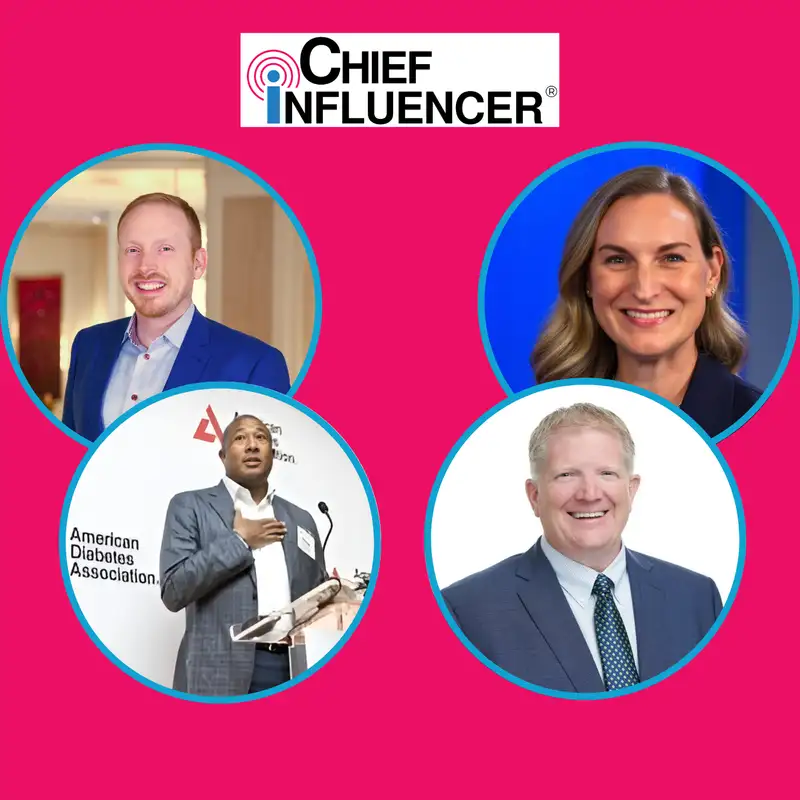
The National Health Council (NHC) Leadership Conference brings together leaders from top patient organizations and nonprofits to foster connections, discuss leadership topics, and share best practices in nonprofit management. This year's theme, "The Future of Leadership," focused on the evolution of leadership in response to changes in healthcare, technology, policy, and crisis management. The conference equips leaders with tools to navigate current challenges and future opportunities, ensuring their leadership adapts to a rapidly changing world.At the event, host Anthony Shop moderates a powerful panel of CEOs who discuss their roles as Chief Influencers on LinkedIn. The panel features Chuck Henderson, CEO of the American Diabetes Association; Katie Schubert, President and CEO of the Society for Women's Health Research; and Steve Taylor, President & CEO of the Arthritis Foundation. They share insights into their success on LinkedIn, focusing on how they have built trust, maximized engagement, and fostered personal connections through the platform.The CEOs offer practical tips on content strategy, posting frequency, and how to engage with comments and tags. They highlight the impact of their social media presence in achieving meaningful outcomes such as talent recruitment and securing major funding. The discussion emphasizes the value of using LinkedIn to reach wider audiences and the importance of commenting, liking, and reposting relevant content to amplify organizational messages.Takeaways:CEOs see ROI from LinkedIn: Make it a habit to regularly connect with peers, industry leaders, and your audience. For instance, the speaker encourages everyone to connect with him on LinkedIn as a first step toward meaningful engagement.Faces Are the New Logos: Personal presence is key to building trust. Share your personal experiences and stories to create a deeper connection with your audience. Remember, trust is built through people, not just organizational logos.Share the Stage: Celebrate and promote others. Instead of focusing solely on your own achievements, highlight the successes and contributions of colleagues and partners. This not only amplifies your message but also uplifts others.Build Internal Champions: Cultivate a strong internal network within your organization. True external support begins with advocacy and engagement from within your own team.Embrace the Gray: Blend your professional and personal brand by showing up authentically. While different contexts may call for varying levels of personal sharing, authenticity should always be at the core.Engage with Content: Actively like, comment, and share relevant posts. This increases visibility and sparks conversations, making networking just as important as posting your own content.Schedule and Be Consistent: Use scheduling tools to ensure regular content posting at optimal times. Reposting or sharing valuable content with your own insights can further boost engagement. Repurposing content from other platforms, like Instagram, can also be effective on LinkedIn.Links:Chuck HendersonLinkedIn: https://www.linkedin.com/in/charlesdhenderson/ Website: https://diabetes.org/ Kathryn Godburn Schubert LinkedIn: https://www.linkedin.com/in/kathryn-godburn-schubert-07352a7/ Website: https://swhr.org/ Steven TaylorLinkedIn: https://www.linkedin.com/in/steven-taylor-a18b9b2/ Website: https://www.arthritis.org/ Shout Outs:Eric Racine: https://www.linkedin.com/in/ericracine/ Jean Wright: https://www.linkedin.com/in/jeanwrightmdmba/ Randall Rutta: https://www.linkedin.com/in/randall-rutta-1622952/ National Health Council: https://www.linkedin.com/company/national-health-council/ 
#94

Jeff Todd on Collaboration, Relationship Building, and Core Values - Chief Influencer - Episode # 094

How can building strong relationships and fostering collaboration drive success in leadership and organizational growth?In this interview, Jeff, CEO of Prevent Blindness, reflects on his career in public health and leadership. Since joining in 2003, Jeff has led key initiatives like the National Center for Children's Vision and Eye Health and the Focus on Eye Health National Summit.He discusses the importance of advocacy in shaping public policy and securing funding for eye health, balancing data with storytelling for effective outreach. Jeff also highlights how digital platforms like LinkedIn help maintain critical relationships.Throughout the conversation, Jeff emphasizes the value of relationships and collaboration, drawing from his experience as CEO and on boards. He shares insights into tackling challenges such as misinformation and ensuring equitable access to eye care while staying true to Prevent Blindness' mission.Takeaways:Building Strong Relationships Over Time: Build relationships proactively by engaging regularly and supporting others' initiatives, creating a foundation for future collaboration.Combining Data with Storytelling: Influence stakeholders by blending compelling narratives with data; real stories paired with data make your message powerful and memorable.Use Both In-Person and Digital Tools for Relationship Building: Leverage LinkedIn to stay connected, keeping interactions meaningful by staying informed on your network's achievements.Advocacy is Key for Non-Profit Success: Engage in coalition-building and bipartisan efforts to advance legislation and secure funding, ensuring eye health is included in broader healthcare discussions.Celebrate Team Members and Their Achievements: Publicly recognize and celebrate team milestones to boost morale and emphasize each member's importance to the organization's mission.See Yourself as a Team Member First and a Leader Second: Approach leadership roles as a facilitator, respecting others' input and promoting group success over individual authority.Quote of the Show:“The relationship between the CEO and a board really is a partnership. It’s about figuring out what their need is, what your need is, and how to bring that together to advance the mission that you’re a part of.” Links:LinkedIn: https://www.linkedin.com/in/jefftoddjd/ Website: https://preventblindness.org/ Shout Outs:National Health Council: https://nationalhealthcouncil.org/Sue Corbett: https://www.linkedin.com/in/sue-corbett-5b003b13/ National Center for Children’s Vision and Eye Health Prevent Blindness Focus on Eye Health National Summit National Youth Violence Prevention Center Vision 2020 USA Board International Agency for the Prevent of Blindness 
#93

Steve Schwab on Fueling a Movement With Authentic Leadership - Chief Influencer - Episode # 093

How can a mission greater than yourself fuel meaningful change and inspire others to join the movement? Steve Schwab, CEO of the Elizabeth Dole Foundation shares key lessons he learned from Senator Dole, including the importance of having a mission greater than yourself for true health and vitality. Steve discusses how authentic storytelling and persistence helped grow the Elizabeth Dole Foundation’s mission into a nationwide movement, through the Hidden Heroes Campaign, with support from influencers like Tom Hanks and Savannah Guthrie. He reflects on the power of coalition-building and leadership, stressing the need to never give up, even when the path to change is challenging.Takeaways:Clear mission or purpose: Having a mission larger than yourself drives personal motivation and organizational success, fueling health, vitality, and passion for your work.Authentic partnerships: Successful coalitions are built on genuine, passionate connections with partners who are sincerely committed to the cause, leading to long-term collaboration and impact.Balance evidence with storytelling: Combining factual evidence (science) with emotional storytelling (poetry) makes your message more credible, relatable, and impactful, especially in advocacy campaigns.Authenticity in endorsements: When selecting influential figures to endorse your cause, ensure they have a true connection to it for more meaningful, long-term advocacy support.Persistence pays off: Achieving long-term goals requires persistence. The passing of the Senator Elizabeth Dole Act highlights the importance of pushing forward despite setbacks and obstacles.Self-reflection and planning: Regular self-reflection and planning, through practices like quiet time, weekly sessions, or yoga, help maintain clarity, purpose, and proactive focus.Leveraging LinkedIn: Using platforms like LinkedIn to share achievements, highlight partnerships, and promote your mission strengthens relationships, increases transparency, and broadens your reach.Quote of the Show:"It’s incredibly important to recognize the divisive times we are in, and that people are hungry for things that unite us and bring us together."Links:LinkedIn: https://www.linkedin.com/in/steven-schwab7676/ Website: https://www.elizabethdolefoundation.org/ Shoutouts: Senator Elizabeth Dole Senator Bob Dole  Senator Elizabeth Dole 21st Century Veterans Health Care and Benefits Improvement ActHidden Heros Campaign: https://www.elizabethdolefoundation.org/campaigns-programs/hidden-heroes 
Previous Page

Displaying 21 - 40 of 132 in total

Next Page