Dr. Arthur Evans Jr. Guest

Dr. Arthur Evans Jr.

CEO for American Psychological Association

Appears in 2 Episodes

#164

Listening Is Leadership: How Trust and Relationships Create Influence

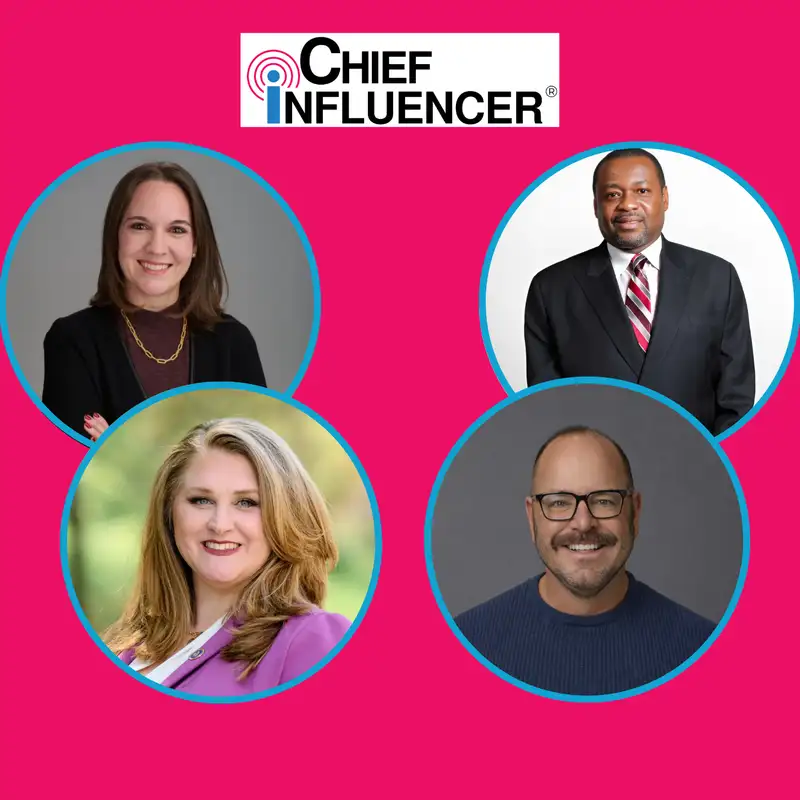
In this special compilation episode of Chief Influencer, Anthony Shop brings together lessons from leaders across media, public policy, healthcare, and advocacy to explore a central theme: why great leaders listen first. The episode features conversations with Emma O’Brian, General Manager, Factiva at Dow Jones; Arthur C. Evans Jr., CEO of the American Psychological Association; Lesley Lopez, Maryland State Delegate; and Jeff Todd, President and CEO of Prevent Blindness. Together, they share insights on authenticity, coalition building, trust, vulnerability, and the power of human connection in today’s fragmented communications landscape. From Emma O’Brien’s reflections on why “faces are the new logos,” to Dr. Evans’ stories about community listening in Philadelphia, to Lesley Lopez’s perspective on authenticity in politics, and Jeff Todd’s emphasis on relationships as the foundation of leadership, the episode reveals a consistent truth: influence is built through trust, not transactions. Whether discussing social media, policymaking, organizational leadership, or public engagement, each guest underscores that people are more likely to follow leaders who listen deeply, communicate honestly, and show up as real people. In a world saturated with content and noise, this episode offers a timely reminder that authentic influence still begins with human connection. Takeaways:Faces Build Trust Faster Than Logos: Leaders who communicate authentically and consistently create familiarity and trust in ways institutions alone often cannot. Podcasts, social platforms, and personal storytelling help humanize organizations.Authenticity Is an Internal Leadership Skill Too: Influence is not only external-facing. Inside organizations, trust and credibility are built through honesty, consistency, and authentic relationships across teams and stakeholders.Listening Creates Better Solutions: Arthur Evans’ stories from Philadelphia demonstrate that communities often already hold the wisdom needed to solve their own problems — leaders simply need to listen deeply enough to uncover it.Vulnerability Strengthens Public Leadership: Leaders who openly acknowledge their lived experiences and personal journeys create stronger emotional connections and greater credibility with audiences.Coalition Building Requires Respect, Not Just Agreement: Effective influence comes from building long-term relationships, listening to opposing viewpoints, and creating consensus without compromising core principles.Digital Platforms Can Deepen Human Relationships: LinkedIn and other platforms are most effective when used not just for broadcasting accomplishments, but for maintaining authentic relationships and celebrating others.Influence Starts with Genuine Human Connection: Across every conversation in this compilation, one theme emerged consistently: leadership becomes easier — and more impactful — when people feel understood, valued, and included. Quote of the Show:“Inherent in every community is the wisdom to solve its own problems.” — Arthur C. Evans Jr. Links:Emma O’BrianLinkedIn: https://www.linkedin.com/in/emmavobrian/ Website: https://www.dowjones.com/ Arthur C. EvansLinkedIn: https://www.linkedin.com/in/arthur-c-evans-phd/ Website: https://www.apa.org/ Lesley LopezLinkedIn: https://www.linkedin.com/in/lesleylopez/ Website: https://www.gwu.edu/ Jeff ToddLinkedIn: https://www.linkedin.com/in/jefftoddjd/ Website: https://preventblindness.org/ 
#80

The Power of Listening: Dr. Arthur C. Evans Jr. on Influencing Organizations, Transforming Systems, and Shaping Public Policy

In this interview, Dr. Arthur C. Evans Jr., CEO of the American Psychological Association (APA), reflects on his career and contributions to the nation’s approach to mental health. He discusses his public policy background and tenure as Commissioner of Philadelphia's Department of Behavioral Health and Intellectual Disability Services.  Dr. Evans stresses the importance of redefining mental health as a universal issue that affects everyone, not just those with diagnosed conditions. He shares strategies for influencing policymakers and the public, advocates for community-based solutions, and highlights innovative approaches like using murals to reduce stigma.  Dr. Evans also explores the role of technology in improving psychological practices and promoting psychologically healthy workplaces for all. The conversation highlights APA's increasing/growing shift to outward-facing initiatives, leveraging psychological science to address societal challenges. Dr. Evans concludes by offering insights on organizational growth, adapting messaging while staying true to core values, and the role of inspiration in leadership. Takeaways:Use Knowledge to Address Societal Issues: Leverage your organization's expertise and data to tackle pressing societal issues. Ensure that your actions align with your field's core mission and values, as this alignment can increase stakeholder engagement.Build Necessary Infrastructure: Success stems from having the right infrastructure in place. Organizations should be designed to achieve desired outcomes, which often means setting up mechanisms for rapid research dissemination and effective communication to stakeholders.Measure Impact with Clear Metrics: Track the effectiveness of your initiatives by looking at practical measures such as media mentions, partnerships formed, and the degree to which others use your information. This helps in validating the success and outreach of your initiatives.Communicate Based on Facts, Not Emotions: Especially in politically charged environments, it’s crucial to present information objectively and grounded in solid data. This approach lends credibility to your work and helps maintain a long-term, bipartisan influence.Promote a Healthy Work Environment: Implement policies that focus on employee well-being, such as regular mental health days, and utilize employee feedback, such as surveys. Encouraging employees to genuinely take time off and address their stressors can vastly improve workplace health and productivity.Engage and Listen to the Community: Actively participate in community events and listen to both their needs and their ideas for solutions. This approach ensures that your policies and initiatives are rooted in the real, lived experiences of the communities you aim to serve.Inspire Your Team: Keep your team motivated by regularly connecting their daily tasks to the larger organizational mission. Signing off communications with encouraging messages, such as 'stay inspired,' helps maintain a motivated and engaged workforce. Quote of the Show:“Inherent in every community is the wisdom to solve its own problems. When you listen to communities, hear what their issues are, and their understanding of the solutions, you get some very innovative solutions.”  Links:LinkedIn: https://www.linkedin.com/in/arthur-c-evans-phd/ Website: https://www.apa.org/  Shout Outs:Internal Nectar Program (APA)Allows colleagues to give compliments to one another and illustrates how the APA cares for its employees and members. American Medical Associaiton: https://www.ama-assn.org/ National Council for Mental Wellbeing: https://www.thenationalcouncil.org/ Society of Biological Psychiatry: https://sobp.org/ Yale University: https://www.yale.edu/  The City of Philadelphia: https://www.phila.gov/ Terry Szuplat: https://www.linkedin.com/in/terry-szuplat-456914137/ The White House Former President Barack Obama