Ethics, Influence, and Power | Live Panel with GW’s GSPM
What does it really mean to lead ethically when the rules keep changing, and the public is watching every move? In this special live edition of Chief Influencer, recorded before a live audience at The George Washington University's Graduate School of Political Management (GSPM) as part of the Paul O'Dwyer Forum for Political Ethics at GSPM, an annual endowed lecture series dedicated to advancing the study of ethics in political life, host Nneka Chiazor (President & CEO, Public Affairs Council) moderates a candid, high-stakes conversation about ethics, influence, and power in today's polarized world. It's exactly the kind of conversation GW was built for, where the next generation of leaders sits in the same room as the people who have already been tested.
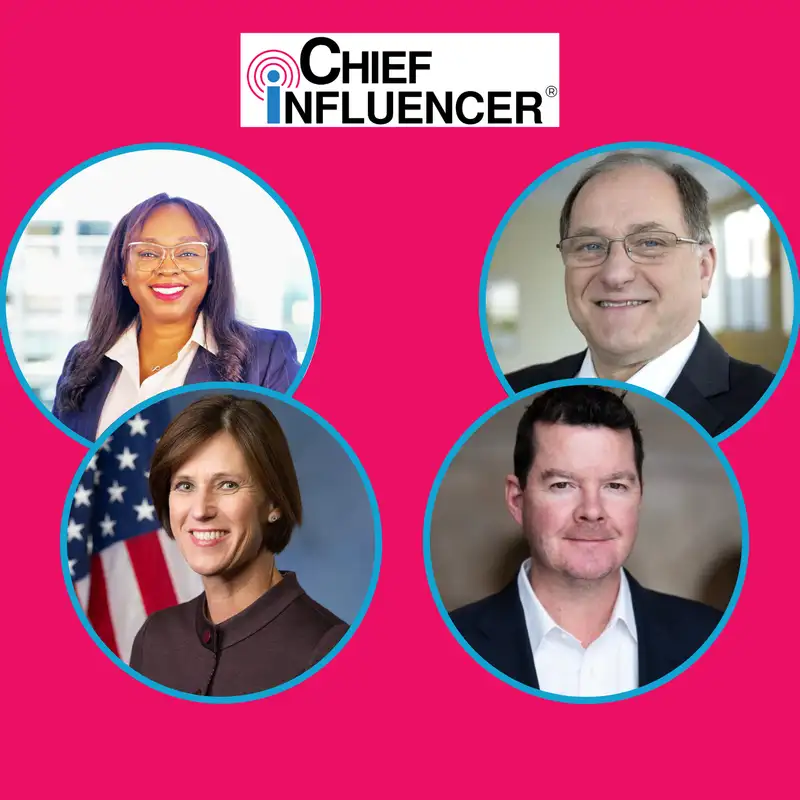
Joined by former Congressman Michael Capuano (MA), former Congresswoman Mimi Walters (CA), and Pulitzer Prize-winning journalist Brody Mullins, author of The Wolves of K Street, the panel pulls no punches. Both Michael and Mimi served on the House Ethics Committee, and Brody has spent decades exposing the hidden mechanics of Washington influence. Together, they explore where ethical lines are drawn, who draws them, and what happens when no one does.
This episode is produced in partnership with GW's Graduate School of Political Management and the Former Members of Congress Association (FMC). This is a rare, unfiltered conversation from people who have lived it, and it's essential listening for anyone who wants to lead with integrity in a world where influence and accountability are constantly in tension.
Takeaways:
Ethics Evolves with Society: Ethical standards are not static. The panel explored how cultural expectations shift over time and how leaders must continuously reassess where the lines are drawn.
Transparency Builds Accountability: Modern ethics systems increasingly rely on disclosure and public visibility, placing greater responsibility on both leaders and the public to evaluate behavior.
Influence Requires Internal Integrity: Both former members of Congress emphasized that ethical leadership begins with personal accountability—making decisions you can defend to your family, your constituents, and yourself.
Social Media Has Changed the Ethics Landscape: The panel discussed how platforms like X, Instagram, and TikTok have accelerated exposure, shifted power dynamics, and transformed how scandals emerge and spread.
Most Leaders Are Trying to Do the Right Thing: Despite the focus on scandal in media coverage, Brody Mullins argued that the overwhelming majority of public servants and professionals operate ethically and responsibly.
Courage Is a Leadership Skill: Whether reporting misconduct, standing up to donors, or challenging colleagues, ethical leadership often requires the willingness to be unpopular in the short term.
The Next Generation Needs Ethical Preparedness: The conversation closed with a powerful discussion about whether institutions should proactively teach students how to navigate abuses of power, much like workplace safety or crisis preparedness training.
Quote of the Show:
"The rule in DC, I felt, always was, if you don't wanna see it above the fold on the front page of The Washington Post, then don't do it. Well, there is no above the fold anymore. There's no Washington Post anymore. So what is the rule now?" - Brody Mullins
Links:
Mimi WaltersLinkedIn: https://www.linkedin.com/in/mimi-walters-8434179/
Brody MullinsLinkedIn: https://www.linkedin.com/in/brody-mullins/
Website: https://www.brodymullins.co/
Michael E. CapuanoLinkedIn: https://www.linkedin.com/in/michael-e-capuano-54013915b/
Nneka ChiazorLinkedIn: https://www.linkedin.com/in/nneka-chiazor/
Website: https://linktr.ee/pacouncil
Sponsors:GSPM LinkedIn: https://www.linkedin.com/school/gspmgwu-/
GSPM Instagram: https://www.instagram.com/gspmgwu/
FMC Website: https://www.usafmc.org/
 Guest
Guest