Anthony Shop Host

Anthony Shop

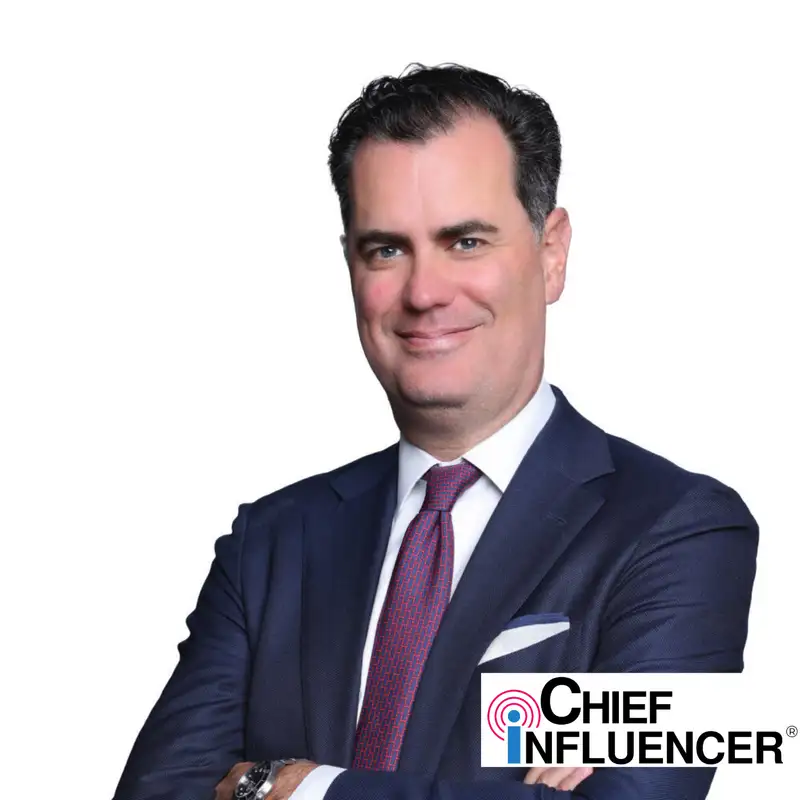
Anthony Shop believes in the power of people-centered branding and marketing to create a bright future. He chairs the National Digital Roundtable, the premier convener of digital innovators, leaders and policy shapers. Anthony also is the Co-Founder and Chief Strategy Officer of Social Driver, a digital services firm that helps companies and non-profits establish winning strategies with social media, websites, creative, and advertising. An enthusiastic presenter and teacher, he has led executive-level training for Amazon, PepsiCo, NASA, The British Embassy and the Bipartisan Policy Center. He has been recognized as an “OUTstanding LGBT Role Model” by The Financial Times, “40 Under 40” by The Washington Business Journal, and Business Leader of the Year by the DC Chamber of Commerce. A former newspaper reporter, Anthony was the first new media professional elected to the National Press Club’s Board of Governors. He currently serves on the boards of Leadership Greater Washington and LearnServe International. He earned his MBA from The George Washington University School of Business, where he teaches as an adjunct lecturer.

Appears in 140 Episodes

#80

The Power of Listening: Dr. Arthur C. Evans Jr. on Influencing Organizations, Transforming Systems, and Shaping Public Policy

In this interview, Dr. Arthur C. Evans Jr., CEO of the American Psychological Association (APA), reflects on his career and contributions to the nation’s approach to mental health. He discusses his public policy background and tenure as Commissioner of Philadelphia's Department of Behavioral Health and Intellectual Disability Services. Dr. Evans stresses the importance of redefining mental health as a universal issue that affects everyone, not just those with diagnosed conditions. He shares strategies for influencing policymakers and the public, advocates for community-based solutions, and highlights innovative approaches like using murals to reduce stigma. Dr. Evans also explores the role of technology in improving psychological practices and promoting psychologically healthy workplaces for all. The conversation highlights APA's increasing/growing shift to outward-facing initiatives, leveraging psychological science to address societal challenges. Dr. Evans concludes by offering insights on organizational growth, adapting messaging while staying true to core values, and the role of inspiration in leadership.Takeaways:Use Knowledge to Address Societal Issues: Leverage your organization's expertise and data to tackle pressing societal issues. Ensure that your actions align with your field's core mission and values, as this alignment can increase stakeholder engagement.Build Necessary Infrastructure: Success stems from having the right infrastructure in place. Organizations should be designed to achieve desired outcomes, which often means setting up mechanisms for rapid research dissemination and effective communication to stakeholders.Measure Impact with Clear Metrics: Track the effectiveness of your initiatives by looking at practical measures such as media mentions, partnerships formed, and the degree to which others use your information. This helps in validating the success and outreach of your initiatives.Communicate Based on Facts, Not Emotions: Especially in politically charged environments, it’s crucial to present information objectively and grounded in solid data. This approach lends credibility to your work and helps maintain a long-term, bipartisan influence.Promote a Healthy Work Environment: Implement policies that focus on employee well-being, such as regular mental health days, and utilize employee feedback, such as surveys. Encouraging employees to genuinely take time off and address their stressors can vastly improve workplace health and productivity.Engage and Listen to the Community: Actively participate in community events and listen to both their needs and their ideas for solutions. This approach ensures that your policies and initiatives are rooted in the real, lived experiences of the communities you aim to serve.Inspire Your Team: Keep your team motivated by regularly connecting their daily tasks to the larger organizational mission. Signing off communications with encouraging messages, such as 'stay inspired,' helps maintain a motivated and engaged workforce.Quote of the Show:“Inherent in every community is the wisdom to solve its own problems. When you listen to communities, hear what their issues are, and their understanding of the solutions, you get some very innovative solutions.” Links:LinkedIn: https://www.linkedin.com/in/arthur-c-evans-phd/ Website: https://www.apa.org/ Shout Outs:Internal Nectar Program (APA)Allows colleagues to give compliments to one another and illustrates how the APA cares for its employees and members. American Medical Associaiton: https://www.ama-assn.org/ National Council for Mental Wellbeing: https://www.thenationalcouncil.org/ Society of Biological Psychiatry: https://sobp.org/ Yale University: https://www.yale.edu/  The City of Philadelphia: https://www.phila.gov/ Terry Szuplat: https://www.linkedin.com/in/terry-szuplat-456914137/ The White House Former President Barack Obama
#79

Patrick Sallee on Owning Your Story - Chief Influencer - (Re-Air)

This week we are resharing our interview with Patrick Sallee, the President and CEO of Vibrant Health KC and the author of The Solitary CEO. In his book, Patrick generously shares stories that require immense of vulnerability and humility, as well as the lessons he's learned and applied in his personal and professional life along with his road to sobriety. Patrick and Host Anthony Shop discuss how to break out of the siloes leaders build around themselves, address the specific needs of multiple stakeholders, and engage with a community to create profound change.Takeaways:Leaders should break down the silos they build around themselves and their work, reconnecting with the purpose of their work to foster connection, succeed, and avoid becoming defensive or resentful toward their team and organization.Prioritize the needs of the people you serve. For Patrick, in the nonprofit sector, the key to handling the needs of multiple stakeholders is keeping the mission and the lives of those being served at the forefront.The focus of your leadership should not be on yourself; it should be on the mission you are working to accomplish. Addressing the needs of different stakeholders requires a specific strategy for each group. Ensuring that all these strategies align with the mission makes it possible to manage the completion of the mission.The best way to understand community members' issues is to talk with them and engage them in developing solutions to those problems. There is no better way to gain buy-in for a project than by listening to stakeholders' feedback.When dealing with complex problems, if members of the community lack the skills or knowledge to understand the problem and possible solutions properly, leaders should take the time to bring them up to speed and teach them the necessary disciplines so they can make informed decisions to solve the problems they face.Own your mistakes and don’t try to hide them. Whether you’re interviewing for a job or negotiating a deal, if you try to conceal past mistakes, you risk others using them against you. Be upfront and honest about who you are.Quote of the Show:“If I own it, and I say it first, you can't use it against me” Links:LinkedIn: https://www.linkedin.com/in/patricksallee/ Vibrant Health website: https://vibranthealthkc.org/ The Solitary CEO: https://a.co/d/g0IyOB6 Shout Outs:The Power of Giving Away Power by Matthew Barzun
#78

Arun Gupta on the Future of Public Service: An Entrepreneurial Approach to Solving Big Problems

This week’s episode of Chief Influencer features Arun Gupta, CEO of NobleReach. He shares his journey from venture capitalism to nonprofit leadership, focused on integrating entrepreneurial principles with public service. Arun discusses his work with top universities like Georgetown and Stanford and his organization’s efforts to place innovation-driven talent into federal government roles. Inspired by his book Venture Meets Mission, promoting a model where individuals can make a positive impact while creating or growing private mission-driven companies.The conversation explores the challenges of gaining government buy-in, the importance of scaling solutions, and trust's role in building effective partnerships. Gupta also highlights the growing shift among students toward purpose-driven careers and advocates for a bipartisan approach, emphasizing the need to create a collaborative ecosystem that brings together government, the private sector, and academia to address complex societal issues.Takeaways:Purpose-Driven Work: Leaders should recognize that the younger generation is increasingly seeking purposeful work, and highlighting the mission-driven aspects of roles can attract top talent, as Arun Gupta notes about students' desire for purpose in their careers.Building Trust: Trust is foundational to successful leadership in both public service and nonprofits. Gupta emphasizes that investing in building and maintaining trust with partners, customers, and team members is crucial for long-term success.Encouraging Experimentation: Leaders should foster a culture where experimentation is welcomed, and failure is viewed as a learning opportunity. Gupta advocates for allowing teams the freedom to try new things and learn from their outcomes.Dual Citizenship: Leaders should encourage talent that can navigate both public and private sectors. Gupta highlights the value of having 'dual citizenship'—experience in both areas—to tackle complex problems more effectively.Scalability: When designing new initiatives, leaders should always consider scalability. Gupta stresses the importance of creating models and systems that can be replicated and scaled efficiently to achieve broader impact.Humanizing Organizations: Understanding the human aspect of organizations helps bridge gaps and foster a cohesive work culture. Gupta emphasizes the need to view government as a group of individuals working with positive intent, rather than as an opaque institution.Valuing Diverse Career Paths: Leaders should promote and value diverse career experiences across sectors. Gupta advocates for a non-linear career approach, encouraging individuals to move between sectors to gain valuable insights and skills.Quote of the Show:"There's no one more optimistic than an entrepreneur—because you have to be if you're going to venture out there. And there's no one more optimistic than college students, which is why faculty enjoy being on campus."Links:LinkedIn: https://www.linkedin.com/in/arungupta23/ Website: https://noblereachfoundation.org/ Shout Outs:Venture Meets Mission: https://www.sup.org/books/business/venture-meets-mission Teach for America: https://www.teachforamerica.org/ ‘Georgetown University: https://www.georgetown.edu/ Georgetown Entrepreneurship Advisory Board: https://eship.georgetown.edu/advisory-group/ Stanford University: https://www.stanford.edu/ Secretary Raimondo: https://www.linkedin.com/in/ginaraimondo/ General John. W. Raymond: https://www.spaceforce.mil/Biographies/Display/Article/2040592/john-w-jay-raymond/ Jen Easterly: https://www.linkedin.com/in/jen-easterly/ Matt Pottinger: https://www.fdd.org/team/matthew-pottinger/ Dr. Karl H. Khal: https://www.defense.gov/About/Biographies/Biography/Article/2591842/dr-colin-h-kahl/ Condoleezza Rice: https://history.state.gov/departmenthistory/people/rice-condoleezza 
#77

It Takes All of Us: Chuck Henderson on the Power of Teamwork and Collective Strength to Fight Diabetes

In this interview, Chuck Henderson, CEO of the American Diabetes Association (ADA), shares insights into his leadership journey, emphasizing teamwork and a mission-driven approach. Since joining the ADA in January 2020, Chuck has drawn on his private sector experience and athletic background to champion health equity, advocate for insulin affordability, and expand access to diabetes technologies.He discusses the importance of understanding all aspects of an organization while staying authentic and accessible as a leader. Chuck also reflects on the transformational changes he’s driven at the ADA, with a focus on health equity and increased transparency. He highlights the role of social media—particularly LinkedIn—in strengthening the ADA's brand and mission.Chuck also shares his personal connection to diabetes and the influence of his parents, as well as the organization's strategies for navigating remote work. The conversation concludes with a call to action for supporting the ADA during American Diabetes Month, underscoring the urgent need for awareness and resources to address the diabetes epidemic.Takeaways:Embrace a Team-Oriented Leadership Philosophy: Learning from Chuck's experience as an athlete, fostering an inclusive and team-centric environment is crucial. Ensure every member understands their role and how they contribute to the collective success.Maintain a Mission-Driven Focus: Chuck's daily reflection on his impact highlights the importance of grounding leadership decisions in the organization’s mission. Regularly ask yourself what you've done to advance your mission and set clear, impactful goals.Consistency in Communication: Regular touchpoints like monthly town halls, bi-weekly newsletters, and quarterly meetings are essential. This consistency keeps the team aligned, engaged, and informed about strategic directions and wins.Be Intentional with Engagement: Whether it's giving out personal contact information, being active on social media, or responding to both positive and negative feedback, intentional engagement fosters authentic connections and builds trust.Promote Organizational Brand: Use platforms like LinkedIn to share the organization’s achievements, highlight team members, and build new relationships. Prioritize showcasing the organization’s impact over self-promotion.Show Up Authentically: Your presence, both online and offline, should reflect genuine commitment and transparency. Authenticity builds credibility and trust, encouraging open dialogue and collaboration.Adapt and Innovate Continuously: Being proactive about adopting remote work, investing in training, and listening to stakeholder feedback are critical. Innovation and adaptation help in staying ahead and addressing emerging challenges effectively.Quote of the Show:“No one person is greater than the team. It takes all of us, each one of us has a role to play in this fight.” Links:LinkedIn: https://www.linkedin.com/in/charlesdhenderson/ Website: https://diabetes.org/ Shout Outs:Champion Fire and Security: https://championfiresecurity.com/ Cotton Bowl Athletic Associaton: https://www.cottonbowl.com/ Texas A&M’s Letterman Associaton: https://www.aggielettermen.org/ Charity Navigator: https://www.charitynavigator.org/ Tracey D. Brown: https://www.linkedin.com/in/traceydbrown/Dions Dream: https://dionschicagodream.com/ Baxter: https://www.baxter.com/ Eli Lilly and Company: https://www.lilly.com/ Medicare:https://www.medicare.gov/ Medicaid: https://www.healthcare.gov/ 
#76

Lesley Lopez on The Power of Authenticity in Public Service

In this special episode of Chief Influencer, we feature a new leader at our partner The George Washington University. Lesley Lopez is the Director of the Graduate Program for Public Relations and Communications at the Graduate School of Political Management.An elected Maryland State Delegate, Lesley is a Chief Influencer in her own right. She recently transitioned from her role as an adjunct professor to lead the Graduate Program for Public Relations and Communications, where she is developing new approaches to engage professional students about the issues that matter in today’s world. Lesley emphasizes the importance of two-way influence, coalition building, and authenticity in politics. She also highlights her innovative initiatives at GW, including a focus on AI in communications and social impact, and invites listeners to engage with the program and its offerings.Takeaways:Embrace Authenticity in Leadership: Be genuine in your interactions and share real experiences to build trust and credibility.Develop Your Unique Leadership Style: Reflect on your personal strengths, passions, and experiences to carve out a leadership style that feels natural to you.Master the Art of Conflict Resolution: Understand where others are coming from and build bridges despite disagreements to foster cooperation and inclusive decisions.Be Transparent and Accessible: Regularly engage with your audience, even informally, to demystify your role and build a deeper connection with your constituents.Leverage Social Media for Genuine Connections: Use social media to share personal stories and behind-the-scenes glimpses into your life, making your digital presence more relatable and engaging.Balance Visibility with Humility: While being proactive in sharing your work is important, demonstrating humility and serving genuinely can resonate deeply with the public.Continual Learning and Adaptation: Stay informed about new trends in communications, technology, or public policy, and be prepared to incorporate them into your leadership toolkit.Quote of the Show:“You have to step outside of that image of who you think a politician is supposed to be and just be a real person. Just speak from the heart.”Links:LinkedIn: https://www.linkedin.com/in/lesleylopez/ GW College of Professional Studies Website: https://cps.gwu.edu/ Shout Outs:Master’s in PR at the Graduate School of Professional Studies at GW: https://cps.gwu.edu/prc  Bianca Prade: https://www.linkedin.com/in/biancaprade/ Washington Business Journal Shannon Watts: https://momsdemandaction.org/shannon-watts/ Moms Demand Action: https://momsdemandaction.org/ 
#75

Michael Manganiello on Advocacy’s Secret Weapon: How Small Wins Keep the Fight Going

This week's episode of Chief Influencer features a truly inspiring leader, Michael Manganiello, the President and CEO at Pyxis Partners. After living for 40+ years as an HIV survivor and dedicated advocate, Michael’s journey has transformed medical research and patient care. After participating in groundbreaking clinical trials led by Dr. Anthony Fauci, he has been a beacon of hope for those living with HIV/AIDS.As the first Senior VP of Government Relations for the Christopher & Dana Reeve Foundation, he played a key role in passing the Christopher and Dana Reeve Paralysis Act and raising over $150 million for resources supporting the mobility impaired.Takeaways:Build Diverse Coalitions: Assemble coalition members who bring different strengths to the table. Including scientists, researchers, and passionate advocates ensures a well-rounded and influential group.Leverage Non-Traditional Partnerships: Work with trusted community organizations to reach your target audience more effectively. People are more likely to listen to messengers they trust and encounter in their daily lives.Understand the Importance of Incremental Victories: Celebrate small wins along the way. These victories help maintain momentum and morale when working toward long-term goals.Educational and Strategic Insights: Acquire in-depth knowledge about your field. Being well-prepared and informed makes it easier to gain credibility and persuade influential stakeholders.Humanize the Issues: To reduce stigma, put a face to the cause and show people real-life examples. This will make the issue relatable and less abstract.Persistent Leadership: Lead by example and be persistent. Understand that effecting change is a long-term game that requires resilience and continuous effort.Quote of the Show:“You have to celebrate the incremental victories even if they’re small because that’s what keeps you going.” Links:LinkedIn: https://www.linkedin.com/in/michael-manganiello-606743b/ Website: https://www.pyxispartners.co/ Shout Outs:Dr. Anthony FauciDocumentary: https://films.nationalgeographic.com/fauci Christopher and Dana Reeve Foundation: https://www.christopherreeve.org/ Leslie Lohman Museum of Gay and Lesbian Art: https://leslielohman.org/ Super/Man: The Christopher Reeve Story: https://www.youtube.com/watch?v=gX-B3HMlMfY National Institute of Health - All of Us Research Program: https://allofus.nih.gov/ Stem Cell Research Enhancement Act: https://www.congress.gov/bill/109th-congress/house-bill/810 Back to Basics Report from Pyxis Partners: https://www.pyxispartners.co/post/back-to-basics-hiv-aids-advocacy-as-a-model-for-catalyzing-change 
#74

Elected Officials on Two-Way Influence - Chief Influencer - Episode # 074

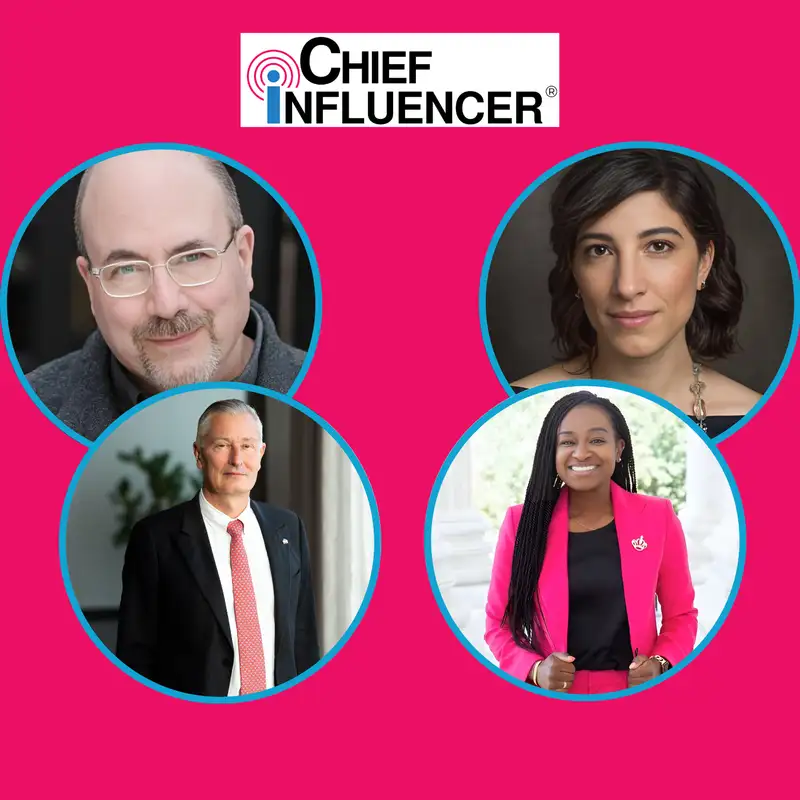
Today’s special episode of Chief Influencer highlights four inspiring elected officials: Danica Roem, a member of the Virginia State Senate; Andy Kim, U.S. Representative for New Jersey’s 3rd District; Rob Sand, Iowa Auditor of State; and Tony Woods, Secretary of Veterans Affairs at the Maryland Department of Veterans Affairs.The episode features leaders from various sectors and highlights the importance of collaborative change and diverse legislative influences. It underscores the value of transparency, accessibility, and genuine engagement in leadership. Each guest shared their personal insights on important themes like inclusion and the challenges of decision-making. They highlighted how vital it is for leaders to share their own stories and create welcoming spaces for everyone. They also delved into topics like overcoming misinformation and battling imposter syndrome, emphasizing the need to balance personal beliefs with the collective responsibility of serving the public.Takeaways:Communicate Openly and Authentically: Embrace a communication style that is open, human, and transparent. Engage in open dialogue to build trust and credibility by being honest about both successes and failures.Influence Through Mutual Engagement: Recognize that leadership involves being open to influence as well. Actively listen to constituents or team members, understand their needs, and incorporate their feedback into decision-making.Leave No One Behind: Create an inclusive environment where every member feels valued and heard. Focus on integrating marginalized or underrepresented groups into the larger mission.Show Rawness and Vulnerability: Demonstrate vulnerability by sharing your struggles and failures. This authentic approach fosters personal connections and reflects your true self.Share Personal Stories: Use storytelling to connect with your audience. Relating personal anecdotes makes your message more compelling and provides insight into your values and leadership style.Understand Key Issues Thoroughly: Develop a deep understanding of critical issues affecting your community or organization. Stay informed and continuously educate yourself to make more effective decisions.Engage Thoughtfully with Opposing Views: Address tough questions and criticisms respectfully, even in disagreement. Thoughtful responses can help bridge divides and foster a cooperative environment.Links:Rob SandLinkedIn: https://www.linkedin.com/in/robsand1/ Website: https://www.governmentjobs.com/careers/iowa Danica RoemFacebook: https://www.facebook.com/danicafordelegate/ Website: https://www.danicaforstatesenate.com/ Andy Kim: LinkedIn: https://www.linkedin.com/in/andy-kim-511969/ Website: https://www.andykim.com/ Tony WoodsLinkedIn: https://www.linkedin.com/in/anthony-woods-22390978/ Website: https://veterans.maryland.gov/anthony-woods/ 
#73

Bill Smith on Uniting Leadership, Passion & Policy - Chief Influencer - (Re-Air)

Bill Smith is the Founder and CEO of Inseparable, an organization dedicated to advancing mental health policy. Additionally, he holds the position of Chair at Civitas Public Affairs Group, a firm he co-founded. At Civitas, he guides philanthropists, foundations, and donor collaboratives on various policy objectives alongside national non-profit organizations striving for progressive policy advancements.Bill shares insights into his impactful journey of shaping mental health policy and empowering the LGBTQ+ community politically. He delves into the founding motivations behind Inseparable, stressing the significance of research and genuine communication in driving policy transformations. Bill also discusses successful strategies for achieving significant policy victories across different states.Together, they explore leveraging research for influence, simplifying intricate messages effectively, and harnessing authenticity and encouragement to propel social change. Bill advocates for leaders to recruit individuals smarter than themselves, fostering a culture of brilliance and collaboration within organizations, thereby ensuring success through collective intelligence and expertise.Takeaways:Be yourself in your communications and leadership style. Authenticity resonates with people and builds trust. Establish a genuine connection with your team, stakeholders, and audience.Surround yourself with people who are more intelligent than you. This approach enhances your team's overall capabilities and fosters learning and innovation.Determine the core areas or issues that need addressing and concentrate your efforts there. A focused approach ensures impactful outcomes and better allocation of resources.Before embarking on any major project or initiative, invest in research. Understanding the opinions and needs of your audience is essential for crafting messages that resonate and to make informed decisions.Research and data are invaluable; let them guide your communications, decisions, and strategies. Even if the findings challenge your assumptions, being open to data-driven insights can lead to more effective outcomes.Develop messaging that is straightforward and resonates with your audience. Simplifying complex ideas into relatable, engaging narratives can amplify your influence and the impact of your messages.Personalize your communication to build deeper connections. Whether through emails, social media, or direct engagement, sharing your journey, challenges, and successes can inspire and engage people more effectively.Quote of the Show:“At the end of the day, you have to listen to research because if it's done well, it's telling you what people think and it's telling you what you need to hear.” - Bill SmithLinks:LinkedIn: https://www.linkedin.com/in/bill-smith-7376424 Inseparable (Website): https://www.inseparable.us Civitas Public Affairs Group (Website): https://www.civitaspublicaffairs.com Shout Outs:The Gill Foundation: https://gillfoundation.org Jan Van Lohuizen: https://www.c-span.org/person/?16114/JanVanLohuizen 
#72

Terry Szuplat on How to Say It Well and Find Your Voice - Chief Influencer - Episode # 072

This week's episode features an in-person discussion with Terry Szuplat, a former White House speechwriter for President Barack Obama and author of Say It Well: Find Your Voice, Speak Your Mind. Inspire Any Audience. Terry emphasizes the importance of authenticity, simplicity, and personal storytelling in effective communication. He shares insights on public speaking, leveraging personal narratives, and avoiding jargon, offering actionable advice for students and professionals in the field. The discussion also addresses the impact of social media and how AI is involved in communication. The session concludes with an appreciation for Terry’s contributions and a reminder to engage in authentic human communication.Takeaways:Talk Like a Human: Simplify your language and communicate in a relatable way. Avoid jargon and buzzwords to enhance relatability and impact.Know Yourself Deeply: Understand your identity, values, and story before inspiring others. Clarity in who you are will resonate with your audience's authenticity.Utilize Personal Stories: Incorporate personal anecdotes in your speeches. Unique experiences will engage your audience and create a personal connection.Prepare Thoughtfully: Use the 50-25-25 rule for preparation: spend 50% on planning and research, 25% on content creation, and 25% on practicing and refining your delivery for a polished presentation.Embrace Authenticity Over Perfection: Prioritize being genuine over delivering a flawless performance. Audiences appreciate sincerity and your true self.Quote of the Show:"When you tell the stories that only you can tell, then no one can steal your words, ever."Links:LinkedIn: https://www.linkedin.com/in/terry-szuplat-456914137/ Website: https://globalvoicescommunications.com/about/ Say It Well: Find Your Voice, Speak Your Mind. Inspire Any Audience: https://www.harpercollins.com/products/say-it-well-terry-szuplatShout Outs:Former President of the United States, Barack ObamaTim WalzGeroge Washington College of Professional Studies: https://www.cps.gwu.edu/ 
#71

Renee DiResta on Invisible Rulers and Responsible Influence - Chief Influencer - Episode # 071

In this episode of Chief Influencer, host Anthony Shop, speaks with Renee DiResta, a leading expert on misinformation, social media, and online influence, as well as the author of Invisible Rulers: The People Who Turn Lies Into Reality. Renee shares insights on false information trends on social media and the challenges of combating them. The discussion also explores the changing media landscape, the role of influencers, and the significance of ethical communication. Renee emphasizes the need for transparent influencer disclosure laws and offers advice for experts on effectively navigating and influencing public discourse.Takeaways:Build and Leverage Your Network: It's not enough to just post content; your real reach comes from others who amplify your message. Encourage supporters and interested parties to share and engage with your content to maximize its impact.Establish a Strong and Diverse Network: One significant problem for institutions today is that many haven’t prioritized networked communication. Focus on building connections and relationships with key players and communities that can help spread your message.Utilize Unique Opportunities: Take advantage of increased online engagement to connect with a broader audience. These moments can help you establish a more extensive following.Maintain High Standards for Information: Authoritative voices should be held to higher standards than random influencers. Ensure your communications are accurate and reliable to build and maintain trust.Manage Content Distribution: Recognize the difference between people finding your content through search and having it proactively pushed onto them by platforms. Aim for strategic content distribution that considers both methods.Enhance Transparency and Disclosure: Be transparent about relationships and sponsorships, especially for influencers. Transparency is critical for maintaining credibility and trust with your audience.Actively Engage in Conversations: Engage actively on social media and other platforms where public opinion is formed. Do not rely solely on traditional methods like press releases. Participation in ongoing conversations is crucial for influence.Quote of the Show:“For influencers in particular, ethics are essential. It's important to recognize the power you have and to use it responsibly.”Links:LinkedIn: https://www.linkedin.com/in/reneediresta/ Website: https://www.reneediresta.com/ Invisible Rulers: The People Who Turn Lies Into Reality: https://www.amazon.com/Invisible-Rulers-People-Turn-Reality/Shout Outs:Edward BernaysStanford Internet Observatory: https://cyber.fsi.stanford.edu/io NPR: https://www.npr.org/ Atlantic Wired - Free Speech is Not the Same as Free Reach: https://www.wired.com/story/free-speech-is-not-the-same-as-free-reach/ Aza Raskin: https://www.linkedin.com/in/azaraskin/ Tristan Harris: https://www.linkedin.com/in/tristanharris/ Sacha Baron Cohen: https://www.instagram.com/sachabaroncohen/?hl=en Elon MuskCDC: https://www.cdc.gov/ Wendy’s Twitter McDonald’s TwitterConsumer Product Safety Commission: https://www.cpsc.gov/ NATO Summit: https://www.nato.int/cps/en/natohq/226799.htm Federal Election Commission: https://www.fec.gov/ Federal Trade Commission: https://www.ftc.gov/ Substack: https://substack.com/ 
#70

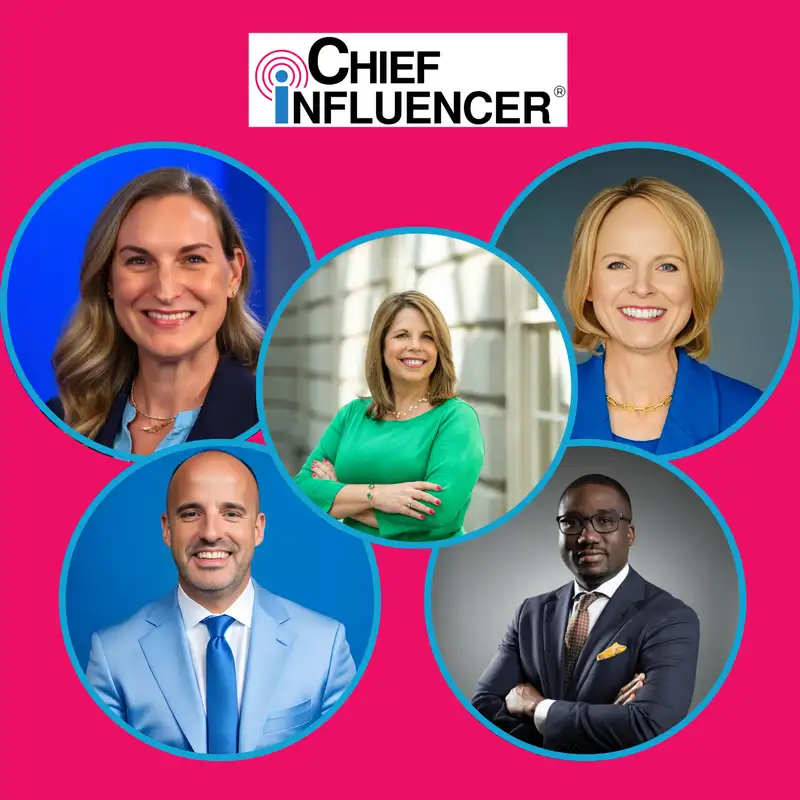
Virginia Ali on Kindness and The Legacy of Ben’s Chili Bowl - Chief Influencer - Episode # 070

This episode is a tribute to Mrs. Virginia Ali, co-founder and matriarch of the iconic Ben's Chili Bowl, a true family-owned business. She recounts her early days in the Shaw community in Washington DC, her relationship with civil rights leaders, including Dr. Martin Luther King Jr., and how Ben's became a crucial gathering spot during pivotal historical moments. Through her warmth and hospitality, Virginia helped the restaurant thrive for 66 years, making it an essential part of the city's cultural and social fabric. The episode also touches on her efforts to archive the restaurant's history and her notable interactions with high-profile dignitaries, including President Barack Obama. As she prepares to expand Ben's Chili Bowl, Mrs. Ali emphasizes the importance of community connection and consistent kindness.Takeaways:Treat Everyone with Kindness and Respect: Mrs. Ali treats everyone who walks into Ben’s Chili Bowl with a smile and kind words, making them feel like the most important person. Leaders should foster a culture of kindness and genuine respect within their teams to build strong and positive relationships.Preserve Your Legacy: Mrs. Ali’s decision to document and preserve her family's and business's history will ensure that her legacy will last forever. Leaders should prioritize recording and preserving important documents and histories that can provide valuable insights and inspiration for future generations.Stay Calm and Collected: Virginia Ali's philosophy of using a soft voice to turn away wrath is a powerful reminder that staying composed and using calm communication can defuse tense situations. Leaders can effectively manage conflicts and maintain a positive atmosphere by practicing patience and composed communication.Be a Beacon During Tough Times: Ben’s Chili Bowl remaining open during the 1968 curfew period exemplifies the importance of being a reliable and supportive presence in the community during crises. Leaders should aim to be pillars of stability and support when their teams or communities face challenges.Value Community Relationships: Mrs. Ali emphasized the mutual support between Ben’s Chili Bowl and their community. Leaders should actively engage with and contribute to their communities, understanding that these relationships can provide critical support during tough times.Commit to Longevity and Adaptability: The success of Ben’s Chili Bowl over 66 years highlights the importance of persistency, adaptability, and a commitment to quality. Leaders should focus on these attributes to sustain long-term success and navigate ever-changing environments.Stay Humble and Grateful: Despite receiving numerous awards, Mrs. Ali remained humble and focused on serving her community. Leaders should embody humility and gratitude, recognizing that their success is often a collective effort and continuing to prioritize service and kindness.Quote of the Show:“Influence doesn’t have to be loud, it can be kind and gentle.”Links:Ben’s Chili Bowl Website: https://benschilibowl.com/ Shout Outs:"Breaking Barriers with Chili: Virginia Ali: The Matriarch of DC": https://www.amazon.com/Breaking-Barriers-Chili-Virginia-Matriarch/Lee’s Flower Shop: https://www.leesflowerandcard.com/  Industrial Bank: https://www.industrial-bank.com/home/my-banking-center/u-street Peaches (Former Employee of Ben’s Chili Bowl)Mary Wood (Former Employee of Ben’s Chili Bowl) President Kennedy Dr. Martin Luther King Jr.  Barack Obama Adrian Fenty Harriet TubmanHoward University Hospital: https://www.huhealthcare.com/ James Beard Foundation Award Key to the City Award Lifetime Achievement Award 
#69

Camille Stewart Gloster on Empowering Change Through Tech and AI - Chief Influencer - Episode # 068

Camille Stewart Gloster, the former White House cyber and AI czar, shares her experiences and insights. Her background includes working in the White House, the Department of Homeland Security, and Google. Camille discusses her journey from a legal fellowship to becoming an expert in cybersecurity and AI, emphasizing the importance of diverse perspectives. She highlights the necessity of creating policies based on values rather than specific technologies and underscores the importance of collaboration between government, industry, and civil society. Camille also advocates for empowering people through technology education and discusses her involvement in initiatives like 'ABCs of Cybersecurity' to promote these fields among diverse communities.Takeaways:Understand Stakeholders' Motivations: Before engaging in any negotiation or attempting to influence others, it's crucial to understand the motivations and priorities of the stakeholders involved. This knowledge will help find common ground and build a foundation for productive discussions.Articulate a Clear Vision: Successful leaders set a clear, affirmative vision that resonates with their audience's fundamental values and aspirations. This approach inspires and motivates people to align with the leader's goals and objectives.Foster Collaboration: It is essential to bring together various stakeholders, including the private sector, civil society, and different government agencies. Leaders must facilitate collaboration by highlighting shared goals and balancing different motivations to advance a common agenda.Be Transparent and Communicative: Open and transparent communication is key to building trust and aligning competing priorities. Leaders should consistently update stakeholders on progress, challenges, and any areas of confusion to maintain a candid dialogue.Encourage Proactive and Resilient Policies: Instead of reacting to threats or technological changes, focus on policies that protect core values and establish a proactive, resilient framework. This approach allows for better adaptation to future challenges and technological evolutions.Promote Education and Empowerment: Leaders should advocate for education and empowerment in technology and cybersecurity. Engaging communities and providing the necessary tools and knowledge will ensure broader participation and resilience in the digital age.Recognize the Importance of Diversity: Diverse perspectives are critical in addressing complex issues like national security, cybersecurity, and AI. Leaders should strive to include individuals from various backgrounds to foster innovative solutions and create an inclusive environment.Quote of the Show:“It is important for people to feel empowered in and through technology. There's a lot of opportunity, economic, career, and creative, and I don't want people to get or feel left behind." Links:LinkedIn: https://www.linkedin.com/in/camillestewartesq/ Website: https://camillestewartgloster.com/casstrategies Shout Outs:UK AI Summit: https://www.gov.uk/government/topical-events/ai-safety-summit-2023 Seoul AI Summit: https://www.csis.org/analysis/ai-seoul-summit France AI Summit: https://franceintheus.org/spip.php?article11521 AIEO: https://www.epa.gov/tribal/american-indian-environmental-office-aieo EU’s AI Act: https://artificialintelligenceact.eu/ 
#68

Daniel Buezo on The Power of Community - Chief Influencer - (Re-Air)

Since our interview with Daniel Buezo last year, Kids of Immigrants has announced exciting new collaborations with Nike and Hasan Minhaj. To coincide with New York Fashion Week, we wanted to reconnect with one of today's most influential fashion entrepreneurs, Daniel Buezo, the visionary Founder and CEO of Kids of Immigrants, a trailblazing streetwear brand born in Los Angeles. Alongside his Co-Founder Weleh Dennis, Daniel has taken the fashion world by storm, teaming up with powerhouse brands and icons like Apple, Nike, Vans, and the one and only Bad Bunny. In this exciting episode, Daniel sits down with Host Anthony Shop to share the captivating story behind the brand’s rise from humble beginnings, reveal why his most pivotal meeting is with himself, and discuss how they remain true to their mission despite their phenomenal success. Takeaways:A major factor behind the launch of Kids of Immigrants was the goal of bringing people of all backgrounds together. This was in contrast to the often exclusive attitude proliferating the world of fashion and streetwear. Daniel and Weleh wanted to create clothing that genuinely represented who they are and their experiences. This was something they found lacking in many of the popular and readily available clothing brands in the United States.When launching the brand, Daniel and Weleh realized that even if the brand evolved, there would be a constant factor tied to the company: they were “Kids of Immigrants.” Their roots and community are interwoven into the initial creation of the brand and its continued evolution. Daniel says that his most important meeting of the day is with himself. Taking a moment to reflect or meditate gives him a chance to communicate with his inner self,  which helps him find a sense of calm, make tough decisions, and become inspired. Recognize that productivity and inspiration are two separate things. While Daniel’s days can get very busy, allowing him to be very productive, he knows that to find inspiration, he needs to get out of the office and have time alone. Taking the time to find what inspires you is crucial. Quote of the Show:“We were kids of immigrants yesterday. We're kids of immigrants today, and we'll be kids of immigrants tomorrow. We knew that wouldn't change.”Links:LinkedIn: https://www.linkedin.com/in/daniel-buezo-581815189/ Company Website: https://kidsofimmigrants.us/ 
#67

Eric Pan on Respect, Enthusiasm and 100 Years of Mutual Funds - Chief Influencer - Episode # 067

This episode of Chief Influencer features Eric Pan, the President and CEO of the Investment Company Institute (ICI). The conversation explores Eric's background, including his roles with the U.S. Commodity Futures Trading Commission and the U.S. Securities and Exchange Commission, his tenure as a law professor, and his transition to leading ICI. Eric emphasizes how effective communication is crucial in addressing diverse audiences and achieving industry goals. Just because you aren’t an expert in a certain industry, doesn’t mean that you can’t understand certain topics. In addition, Eric shares how clear and respectful messaging tailored to different groups ensures that information is accessible and relevant. He highlights the role social media plays as a two-way communication tool, enabling organizations to not only share information but also gather valuable feedback from their audience. He shared that balancing factual data with emotional storytelling enhances engagement and makes complex topics more relatable. He emphasized that as technology continually evolves, adapting communication strategies to incorporate new tools and platforms is essential for staying current. Additionally, he noted that understanding and addressing stakeholder perspectives allows for more effective advocacy and aligns industry efforts with the needs and concerns of various groups.Takeaways:Be Genuine: When communicating complex information, be genuine in your enthusiasm and interest. Your passion can make others care about the topic too.Respect Different Viewpoints: Recognize that everyone has a valid perspective. Understanding and respecting those views can help in effectively communicating your message.Use Both Data and Stories: Combine logical data-driven points with emotional, human-interest stories. This dual approach can help you connect with a wider audience.Adapt Across Platforms: Different platforms attract different audiences. Being active on various social media channels like LinkedIn can help leaders reach a diverse set of stakeholders.Leverage Social Media Authentically: Treat your social media presence as an authentic voice for your opinions and initiatives. Use it to articulate key viewpoints and engage directly with your audience.Two-Way Communication: Influence is not just about pushing your message out but also about listening to feedback. Utilize platforms that allow for this two-way interaction.Empower Your Team: See social media as an organizational tool, not just an individual one. Encourage other members of your team to also have a voice and contribute to the collective message.Quote of the Show:“Just like fund investing is the democratization of finance, social media is the democratization of communication.” Links:LinkedIn: https://www.linkedin.com/in/eric-pan-0352772/ Website: https://www.ici.org/ 
#66

Four Influential Voices on Fostering Community and Change - Chief Influencer - Episode # 066

In this special episode of Chief Influencer, hosted by Anthony Shop, we brought together four leaders from diverse sectors to share insights on inspiring, influencing, and connecting with communities. Today’s guests include Daniel Buezo, Founder and CEO of Kids of Immigrants, Jennifer Sirangelo, President and CEO of Points of Light, Jean-Claude Brizard, President and CEO of Digital Promise, and Gina Schaefer, Co-Owner of a Few Cool Hardware Stores and Author of Recovery Hardware. They discuss the importance of community, civic engagement, technology in education, and impactful events, from the Points of Light Awards to ComplexCon. Each guest emphasized the power of recognizing and supporting community efforts, fostering civic duties, and the mutual growth from leader-community interactions.Takeaways:Leverage Unexpected Ideas: Great ideas often come from unconventional places. Don't be afraid to look outside your immediate industry for inspiration and solutions.Serve and Build Community: Dedicate efforts to building and serving your community. As demonstrated, community support can be a driving force and provide invaluable inspiration.Embrace Continuous Learning: Never stop learning because each new experience brings valuable lessons. Even seasoned leaders can benefit from continuous education and reflection.Recognize and Empower Others: Recognize the extraordinary contributions of individuals in your community. Formal recognition can inspire and mobilize people towards community service.Utilize Technology Wisely: Use technology as an enabler to address challenges. Technology should complement and enhance your core vision and initiatives, not overshadow them.Foster Open Communication: Encourage open dialogues within your community and organization. Honest conversations can highlight critical issues and foster stronger relationships.Invest in Community Events: Hosting community events can significantly boost engagement and create a sense of belonging. It offers a platform for interaction that goes beyond traditional customer service.Links:Gina Schaefer: LinkedIn: https://www.linkedin.com/in/ginaschaefer-speaker/ Website: https://ginaschaefer.com/  Daniel Buezo: LinkedIn: https://www.linkedin.com/in/daniel-buezo-581815189/ Website: https://kidsofimmigrants.us/ Jennifer Sirangelo: LinkedIn: https://www.linkedin.com/in/jennifer-sirangelo-62a8723/ Website: https://www.pointsoflight.org/ Jean-Claude BrizardLinkedIn: https://www.linkedin.com/in/jean-claude-brizard-0080a810/ Website: https://digitalpromise.org/ 
#65

Peggy Rajski on The Power of Storytelling, Advocacy, and Allyship - Chief Influencer - (ReAir)

Peggy Rajski is an Oscar-winning filmmaker and a founder of The Trevor Project, the first 24/7 suicide prevention organization dedicated to serving LGBTQ+ young people. She recently concluded her 18-month term as Interim CEO of The Trevor Project. During that time, she focused on expanding crisis intervention services, strengthening partnerships with SAMHSA and Vibrant Emotional Health for the national 988 Suicide and Crisis Lifeline, elevating Trevor’s prevention program strategy, and defeating anti-LGBTQ+ legislation through strategic advocacy. The Trevor Project remains a leading force in crisis intervention, driven by Peggy’s mission-first approach and commitment to leveraging storytelling for social impact. In celebration of her tenure and passing the baton to The Trevor Project’s new CEO, Jaymes Black, we are thrilled to resurface this interview with Peggy Rajski!In this insightful interview, Peggy discusses her inspiration for founding The Trevor Project after directing her Oscar-winning short film Trevor. She details the challenges and successes, including the crucial HBO airing with Ellen DeGeneres, and the night the first-ever 24/7 suicide prevention hotline for LGBTQ+ youth launched. She shares her thoughts on leadership, highlighting the importance of authenticity, allyship, and adaptability. Over 25 years, The Trevor Project has evolved with changes in media, and collaborated with notable figures like Daniel Radcliffe and Dylan Mulvaney. Peggy’s reflections underscore the power of passion, dedication, and resilience in making a significant impact.Takeaways:After directing the film Trevor, Peggy saw the massive need amongst LGBTQ+ youth for some kind of support system. This need was the inspiration behind forming The Trevor Project and its mission, “to end suicide among lesbian, gay, bisexual, transgender, queer, & questioning young people.”The motivation for Peggy’s film was seeing that LGBTQ+ young people were four times as likely to make an attempt on their lives than their straight peers. Peggy knew that the medium of film could be uniquely used to educate people on this issue.The most important group Peggy had to reach was the young people in dire need of The Trevor Project. Crucial to this were the relationships Peggy built with voices in the media interested in this larger story. When Peggy realized that there was nowhere for LGBTQ+ youth to get specialized support, particularly with suicide prevention, the choice to take action and create resources was clear. It’s vital to share your message through communication channels already used by your audience. The night that Trevor was presented by Ellen DeGeneres and aired on HBO Family, The Trevor Project call center received over 1,500 calls.Honesty is integral to building a cohesive brand that can speak uniquely to different stakeholders, such as donors, staff, and those being served. This requires being clear and consistent on what the brand stands for and its mission.Evolving how you meet your audience where they are is critical. The Trevor Project expanded its services from primarily voice-based to chat-based. This mirrors the growing shift amongst younger generations toward text messaging. The Trevor Project must continuously adapt to the times to continue serving LGBTQ+ youth.Peggy considers the expertise built up within The Trevor Project to be “open source” as the organization sits on many boards and commissions to help protect the mental health needs of historically underserved groups.Leaders need to be storytellers every day of their lives, throughout meetings, introductions, etc. To be a great storyteller, you must be clear, concise, and compelling. Your stories should convey who you are, what you’re doing, and the difference you want to make. Quote of the Show:“Film can make you feel things. When it's working, it bypasses the brain and it goes to your heart.” - Peggy RajskiLinks:Twitter: https://twitter.com/PeggyRajski LinkedIn: https://www.linkedin.com/in/peggyrajski/ The Trevor Project Website: https://www.thetrevorproject.org/ Shout Outs:Dr. Jay Nagdimon - Mental Health ExpertEllen DeGeneres - Comedian and TV PersonalityElton John - MusicianSting - MusicianDaniel Radcliffe - ActorDylan Mulvaney - Influencer and ActivistKara Swisher - Host of On With Kara SwisherScott Galloway - Author and Host of the Prof G PodHard Fork - PodcastLongform - PodcastThis American Life - PodcastSerial - PodcastSoul + Spirit - PodcastTen Percent Happier - PodcastTara Brach - Meditation teacher and Podcast Host
#64

Four Leading Voices on Leveraging LinkedIn for Success - Chief Influencer - Episode # 064

In this special episode of Chief Influencer, host Anthony Shop brings together highlights and lessons on LinkedIn from prominent leaders—Steven Taylor, President and CEO of the Arthritis Foundation, Johnny C. Taylor Jr., President and CEO of SHRM, Allan Golston, President of the United States Program at the Bill and Melinda Gates Foundation and Emma Wade-Smith, His Majesty’s Trade Commissioner for North America and Consul General.The episode delves into how these leaders use LinkedIn to drive leadership and influence while maintaining authenticity. They discuss strategies for engaging with their team, combating isolation, and building a positive organizational culture through genuine interactions on LinkedIn. Key takeaways include the importance of authenticity, active engagement, and showing genuine care to leverage LinkedIn for impactful leadershipTakeaways:Prioritize Authentic Engagement: Engage genuinely on LinkedIn by responding personally to comments and messages. Avoid fake posts and always use your authentic voice, even if it includes typos.Listen with Heart and Mind: Show genuine interest in your team by listening to their concerns and taking actionable steps. Create structures that facilitate open communication, such as moving your office to a more accessible location.Two-Way Communication: Foster a two-way exchange on LinkedIn. Engage with followers by responding to their comments and questions, showing that you value their interaction.Personal Recognition: Use LinkedIn to recognize and uplift team members and colleagues by commenting on their achievements, birthdays, or work anniversaries. Personalized recognition can significantly boost morale.Thoughtful Content Sharing: Share content that resonates with your audience. Incorporate visuals like videos and images to grab attention. Avoid overliking, and engage meaningfully in conversations.Human-Centric Leadership: Demonstrate care for your team by acknowledging their hard work and involvement on social media. This builds a supportive and warm organizational culture.Continuous Learning and Adaptation: Stay open to trying new LinkedIn features and techniques to see what best resonates with your audience. Adapt and innovate continuously to keep your engagement fresh and meaningful.Links:Steven Taylor,LinkedIn: https://www.linkedin.com/in/steven-taylor-a18b9b2/ Website: https://www.arthritis.org/ Johnny C. Taylor JrLinkedIn: https://www.linkedin.com/in/johnnyctaylorjr/ Website: https://www.shrm.org/ Allan GolstonLinkedIn: https://www.linkedin.com/in/allan-golston/ Website: https://www.gatesfoundation.org/ Emma-Wade Smith LinkedIn: https://www.linkedin.com/in/emmawadesmith/ Website:https://www.gov.uk/government/organisations/foreign-commonwealth-development-office 
#63

Brooks Bell on Leading from Behind to Prevent Cancer - Chief Influencer - Episode # 063

In today’s episode host Anthony Shop introduces Brooks Bell, a technology entrepreneur who shifted her career focus after being diagnosed with stage 3 colon cancer at age 38. Brooks founded Lead From Behind, a campaign powered by the Colorectal Cancer Alliance, aimed at destigmatizing colonoscopies through celebrity awareness, significantly increasing public participation in the screening. She also discusses her new venture, Worldclass Clothing, designed to make colonoscopies more approachable and funding procedures for underinsured communities. The conversation highlights the importance of early detection, effective health communication, and leveraging humor and celebrity influence in public health campaigns. Takeaways:Identify Influencers: When promoting an initiative, identify key influencers whose personal stories or backgrounds align with your cause. This can significantly enhance the credibility and reach of your campaign. For example, the success of having Ryan Reynolds and Rob McElhenney involved in the colonoscopy campaign shows the impact celebrities can have in normalizing and promoting essential but often stigmatized procedures.Leverage Personal Stories: Personal experiences can be powerful advocacy tools. Brooks Bell used her diagnosis of stage 3 colon cancer to inspire and educate others about colon health. Leaders should explore how personal stories within their organization or community can be leveraged to advance their mission.Stay Informed and Adapt Regulations: Awareness of regulatory changes is crucial. For instance, the change in the recommended screening age for colonoscopies from 50 to 45 in 2021 highlights the importance of staying informed about updates. This allows leaders to make timely and relevant adjustments in their advocacy and policies.Rebrand for Broader Appeal: Sometimes, a new brand or sub-brand can effectively reach a wider audience. Brooks Bell's insight to create Lead From Behind, a brand that doesn't mention colon, rectal, or cancer, made the message more appealing to healthy individuals who might not typically engage with cancer-related content.Highlight Positive Outcomes: Emphasizing the positive results of an action can encourage participation. For example, informing people that their colonoscopy showed no signs of disease means they won't have to think about it for another decade can motivate them to get screened. Leaders can highlight these long-term benefits to promote engagement.Collaborate with Experts: Collaborations with agencies or experts in branding and public relations can significantly enhance a campaign. The partnership with Maximum Effort, a film production company owned by Ryan Reynolds, to build and launch Lead From Behind demonstrates how expert involvement can create a strong, recognizable brand.Quote of the Show:"Cancer is sad and scary. Before my diagnosis, recognizing my mindset then, that's the audience we need to reach. We had to create something people would wear that's funny and energizes the cause without making them uncomfortable. Links:LinkedIn: https://www.linkedin.com/in/brooksbellinteractive/ Instagram: https://www.instagram.com/brooksbell/ Website: https://leadfrombehind.org/ Shout Outs:Colorectal Cancer Alliance: https://colorectalcancer.org/Brooks Bell Inc: https://www.brooksbell.com/ Worldclass Clothing Website: https://www.worldclassclothing.com/ Worldclass Clothing Instagram: https://www.instagram.com/worldclass_clothing/ Maximum Effort: https://www.maximumeffort.com/ Ryan Reynolds Rob McElhaneyZocDocs: https://www.zocdoc.com/AOL: https://www.aol.com/ The Awkward Conversation That Led to My Colon Cancer Diagnosis at Age 38: https://www.today.com/health/essay
#62

Ambassador Pitteloud On Diplomacy, Influence, and Trust - Chief Influencer - Episode # 062

Host Anthony Shop interviews the Honorable Jacques Pitteloud, Switzerland's Ambassador to the United States. Since his appointment in 2019, Ambassador Pitteloud has leveraged his extensive Foreign Service career since 1987, serving in diverse locations such as Saudi Arabia, Kenya, and Uganda. Pitteloud passionately discusses his mission to redefine perceptions of Switzerland. He underscores the robust economic and technological bonds between Switzerland and the U.S., underscoring the need to tailor communications for different cultural contexts.Addressing the evolving landscape of diplomacy, Pitteloud highlights his innovative use of social media platforms like Instagram and YouTube to foster engagement and transparency. Drawing from his leadership experience across organizations of varying scales, he advocates for public education as a tool against misinformation, emphasizing the importance of trust in leadership.Takeaways:Embrace Social Media: Leaders should be willing to leverage social media platforms like Instagram, Twitter, and YouTube to communicate their messages effectively. While there's a risk, approaching it with positivity and humor can significantly enhance engagement and brand image.Adapt Communication Style: It is crucial to understand and adapt to different communication styles based on cultural and linguistic contexts. Tailoring your message to fit the audience's expectations can build stronger connections and trust.Trust Your Team: Building trust within your team is essential. Start by assuming that your team members are competent and letting them do their jobs. Micromanaging can stifle creativity and productivity.Stay Educated: Continuous learning is vital for effective leadership. Regularly reading and staying informed about industry trends, history, and current events can provide a deeper understanding and better decision-making.Balance Personal and Professional Brands: Authenticity in leadership can be enhanced by blending personal passions and professional responsibilities wisely. Sharing personal interests or hobbies can make leaders more relatable and approachable.Address Misinformation Strategically: Given the rise of misinformation, it is vital to educate your audience and provide well-analyzed, contextually rich information. Immediate responses are less valuable than meaningful interpretations of events.Lead with Humor and Positivity: Humor and positivity in communication can make leaders more approachable and their messages more memorable. Self-deprecating humor, in particular, helps create a connection without offending others.Quote of the Show:"There are so many embassies, so many countries vying for two minutes of attention from decision-makers. How do you distinguish yourself from the crowd? If social media is a means to achieve that, as long as it remains nice, decent, and sometimes even funny— why not? So, we made the video, and suddenly it was reaching hundreds of thousands. There were a few other instances, and then there was the Instagram thing. On We Are The Embassy of Switzerland, which I never thought would reach the 3.4 million mark. I mean, if Kim Kardashian needs some paying advice from me, she can call me."Links:LinkedIn: https://www.linkedin.com/in/jacques-pitteloud-83621a10/ Website: https://www.eda.admin.ch/eda/de/home.html Shout Outs:Marcellus Rolle: https://www.linkedin.com/in/marcellus-rolle-116a432/ Swiss Impact USA: https://swissimpactusa.com/ Washington Post Article Featuring Ambassador Pitteloud’s Bird Painting: https://www.washingtonpost.com/dc-md-va/2021/01/03/painted-bunting-great-falls-bird-watchers/Switzerland's (not Sweden's) Impact in the United States Video: https://www.youtube.com/watch?v=pz_5V6DyEdM&t=9s Wall Street Journal: https://www.wsj.com/ 
#61

Dr. E. Anders Kolb on Mission-Driven Leadership - Chief Influencer - Episode # 061

Today, we are honored to host Dr. E. Anders Kolb, President and CEO of The Leukemia & Lymphoma Society (LLS).With a distinguished background as a pediatric hematologist oncologist, Dr. Kolb's journey is intertwined with a deeply personal commitment—fueled by his wife's battle with follicular lymphoma—to eradicating these diseases. Today, he leads LLS with a vision that combines compassionate patient care with pioneering research.In this episode, Dr. Kolb shares his insights on fostering community engagement, driving scientific innovation, and advocating for health equity. His leadership style, marked by empathy and a steadfast dedication to improving patient outcomes, underscores his role in guiding one of the most influential organizations in cancer research and patient support.Takeaways:Embrace a Learner's Mindset: Always approach new situations with a willingness to learn, listen before acting, and consider experts' opinions. This mindset fosters continuous growth and effective problem-solving.Understand the Business: Take the time to deeply understand the business operations and challenges, even if it requires a significant investment of time, such as through a listening tour or similar initiative.Stay Connected to the Mission: Ensure that all team members remain focused on the organization's mission. Start meetings with a "mission moment" to ground everyone in the purpose of their work, which can keep the team inspired and aligned.Advocate for Patients and Families: As a healthcare organization, always prioritize the needs of patients and families in your initiatives. This strengthens any organization's credibility and trustworthiness and ensures that efforts are patient-centered.Inspire Through Communication: Use empathy in your interactions to connect emotionally with your team and motivate them. Sharing patient stories and emphasizing the impact of their work can enhance commitment and drive.Lead by Example: Demonstrate humility and a willingness to learn from others, regardless of your position. This leadership style fosters a collaborative environment and encourages others to adopt a similar approach.Solve the Big Problems: Lean into the challenges faced by the community you serve. Collect stories and data to identify systemic issues and work collaboratively to find meaningful solutions. This approach ensures that the organization addresses the root causes of problems effectively.Quote of the Show: "In our company meetings, we always start with a mission moment, grounding ourselves in the patient experience and celebrating exciting innovations from our research funding. This ensures everyone is present, inspired, and ready to dive into our work."Links:LinkedIn: https://www.linkedin.com/in/e-anders-kolb-md-5508a7a/ Website: https://www.lls.org/ Shout Outs:Nemours Children’s Health: https://www.nemours.org/ Sidney Kimmel Medical College: https://www.jefferson.edu/academics/colleges-schools-institutes/skmc.htmlDelaware Today: https://delawaretoday.com/ Philadelphia Magazine: https://www.phillymag.com/ SEMA: https://sites.sema.org/awards/award_sema_news_articles.php Fast Company: https://www.fastcompany.com/ AKACA: https://advocacy.lls.org/a/akaca Myeloma Link: https://www.lls.org/myeloma-linkLLS PedAL: https://www.lls.org/dare-to-dream/pedal FDA: https://www.fda.gov/ 
Previous Page

Displaying 61 - 80 of 140 in total

Next Page